
Glass Wine Cellars: Showcase Your Collection
A glass wine cellar transforms your collection from hidden storage into a stunning display. These installations catch light beautifully, create architectural focal points, and invite admiration from guests. If you envision a full-wall wine closet, a dining room centerpiece, or a showcase nook, glass cellars deliver luxury impossible to ignore.
Why Glass Changes Everything
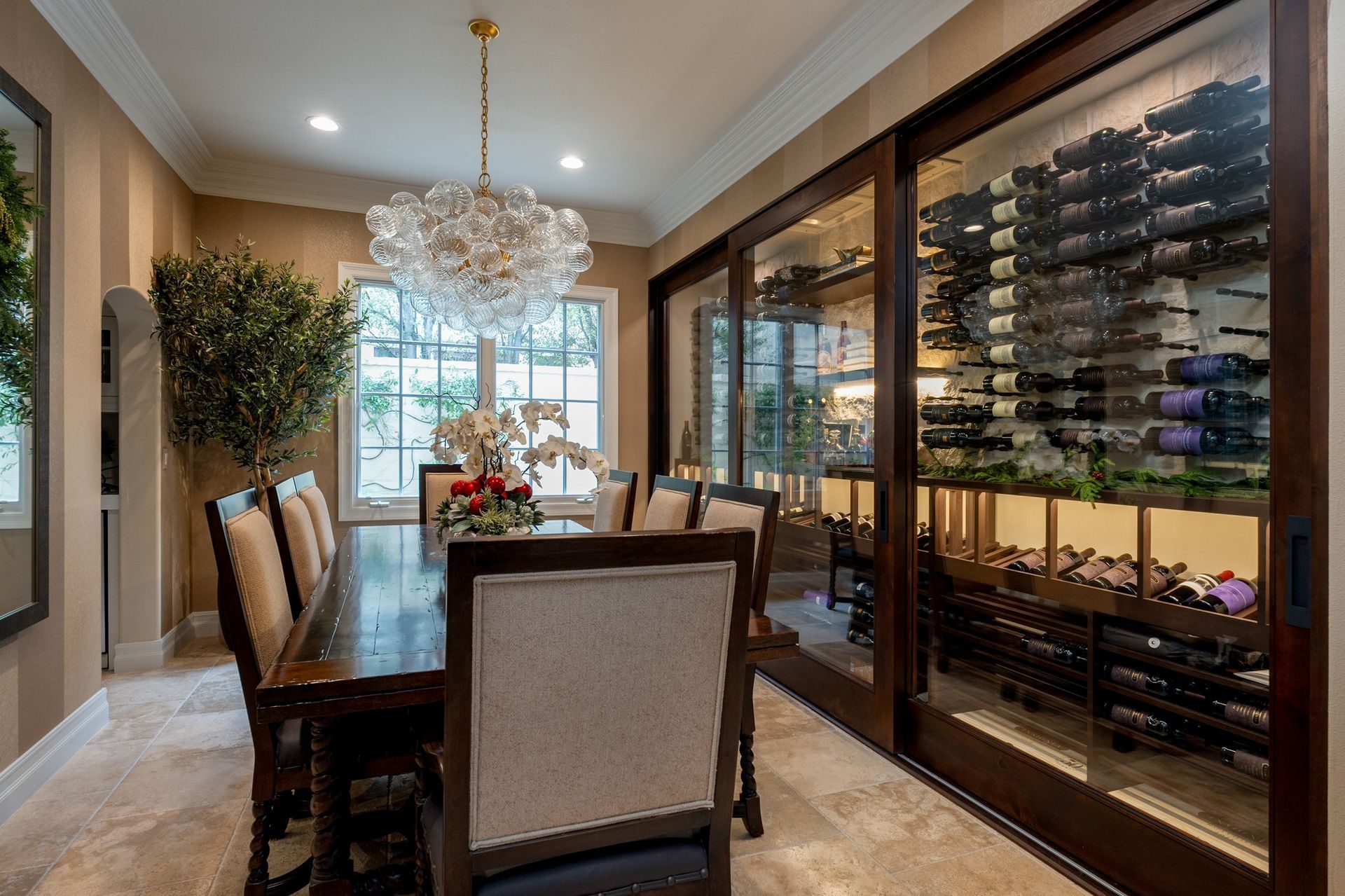
Glass wine cellars serve dual purposes standard storage can never achieve: they preserve your collection in perfect conditions while making it visually spectacular. Instead of opening cabinet doors to access bottles in darkness, you see your collection continuously throughout the day—a constant reminder of acquisitions, discoveries, travels, and the joy of building something meaningful.
For entertaining, glass cellars become conversation pieces that guests pause to appreciate. Visitors immediately recognize the care and effort you've made. Cellar becomes part of your home's design narrative, not a hidden utility room behind a door. In commercial settings—restaurants, hotels, wine bars—glass cellars drive sales. Customers see your collection displayed beautifully and want to order wines they can actually see, creating an experience extending beyond the menu.
We've built glass cellars in Newport Beach holding 1,000+ bottles while remaining completely integrated with contemporary home design. One Manhattan Beach project featured a dining room centerpiece that changed the entire room's character. Small-space Orange County conversion took a 514-bottle collection and turned 100 square feet into a design statement. Each project proved the same truth: glass changes how people experience wine storage, transforming utility into art.
Design Approaches: Frameless vs. Framed
STAGE 1
Frameless Glass Installations
These create smooth transparency where glass seems to vanish entirely, leaving bottles suspended in light and climate control. Visual effect is stunning—you see collection without distraction of any frame or border. Designs work brilliantly in modern homes where minimalism is design language. In dining rooms, frameless glass creates uninterrupted view of collection from every seat at table. Light plays off glass and bottles without frame interrupting visual flow.
STAGE 2
Framed Glass Designs
Thin stainless steel frames create geometric interest and architectural presence. Matte black or charcoal frames emphasize contemporary minimalism while making glass feel intentional. Gold-plated or brass frames add unexpected warmth. Some clients choose frames in colors echoing home's existing design palette. Frame becomes design element, defining cellar visually while supporting glass functionally.
STAGE 3
Hybrid Approaches
Some projects use frameless glass for maximum visibility on front with framed glass on sides or back. Others transition from framed to frameless as you move through cellar's sections. Hybrid approaches give flexibility to manage light, privacy, and design impact in sophisticated ways
Technical Excellence: Glass Selection & Specifications
STAGE
01
Dual-Pane Insulated Glass
Maintains perfect temperature control while providing crystal-clear visibility. You never sacrifice function for form—glass displaying your collection is same glass protecting it from temperature fluctuations. Dual-pane construction includes two glass panels sandwiching spacer filled with argon gas, providing superior insulation to single-pane glass. Insulation value prevents condensation on cold days and maintains temperature stability.
STAGE
02
UV-Protective Glass
Prevents light damage to wines, extending aging potential significantly. Natural light or indoor lighting can degrade wines over time, changing flavors and colors. UV-protective glass filters damaging wavelengths while maintaining perfect visibility. Your wines age gracefully rather than deteriorating prematurely.
STAGE
03
Tempered Glass
Standard for safety. If glass ever breaks, it shatters into small granules rather than sharp shards, protecting people and bottles. This is safety engineering you never think about until understanding why it matters.
STAGE
04
Frosted & Tinted Options
Some clients choose frosted panels on three sides with one clear glass wall—sophisticated design strategy maintaining privacy while showcasing collection strategically. You control what's visible from different angles. Some bottles on display; others remain private. Creates visual intrigue and allows managing how much collection you reveal.
Racking Systems Inside Glass Cellars
STAGE 1
Cable Racking Systems
Create sculptural quality where bottles seem to float—thin stainless steel cables holding bottles horizontally for optimal cork contact. Cable system creates minimal visual distraction, letting bottles be the main focus. Inside frameless glass installation, cable racking creates almost weightless aesthetic. Perfect for contemporary designs where visual clarity dominates.
STAGE 2
Acrylic Racks
Perfectly clear or tinted with subtle colors. Clear acrylic seems to disappear entirely, making bottles the only visible element. Tinted acrylic creates visual interest and can be coordinated with home's color palette. Acrylic resists warping from humidity and creates contemporary gallery feel. Some clients choose smoked or light bronze tints for sophistication without sacrificing visibility.
STAGE 3
Wooden Racks in Glass
Blur line between traditional and modern. Walnut with high-gloss lacquer finish or lighter wood with matte finishes work beautifully inside glass installations, creating warmth without clutter. Wood grain becomes visible through glass, adding visual depth. Some clients mix racking styles—cable in one section, acrylic in another—creating visual interest and functional variety.
Lighting Effects in Glass Cellars
Recessed ceiling lights create even illumination, bringing out bottle colors without generating heat, compromising cooling. LED strips along the top of racking create soft highlights, making labels readable and bottles attractive. Subtle side lighting creates depth and dimension without harsh shadows.
Color temperature matters profoundly. Warm white LEDs (3000K) create a golden glow, making wine colors appear richer. Cooler white LEDs (4000K) create a clean, gallery-like atmosphere that contemporary design demands. Some clients choose adjustable color temperature—warm for evening entertaining, cooler for daytime viewing.
Backlighting effect comes from lighting bottles from behind when possible—backlighting makes the glass glow and creates an almost ethereal quality. Light comes through the wine itself, showing off color and clarity. This effect only works in glass cellars where backlighting is possible; it's a unique advantage of a transparent display. The effect is stunning and creates an emotional response in guests viewing your collection.
From Concept to Installation: The Process
The glass cellar journey begins with understanding your vision, collection size, and space. Do you have a dining room wall that can become a stunning backdrop? Living room corner anchoring design? Dedicated space, creating something spectacular?
We create 3D renderings showing exactly how the finished cellar will appear in your space—not theoretical renderings, but accurate representations based on your home's lighting, proportions, and colors. You see how it looks from your kitchen. From your dining table. At different times of day with different lighting.
Glass selection, frame choice, racking design, and lighting are all decided together as an integrated system. We discuss how each choice affects the overall aesthetic and function. Specifications get detailed and documented. Construction begins with precision, using professional installers experienced with glass installations. Final installation is clean, professional, beautiful—not a disruptive construction nightmare some fear.
The result is a wine cellar becoming part of your home's design, not an addition to it. Guests walk in and see the collection first. Everything else feels secondary. That's the power of glass done right.
