
Wine Cellar Flooring: Foundation for Function and Aesthetic
Flooring is part of your cellar's integrated build — not a separate choice made in isolation. The right floor anchors the aesthetic, handles moisture and temperature changes, and supports the weight of racking, islands, and bottles. At Cachet Wine Cellars, we select flooring that complements the racking, resists moisture absorption, and creates the experience the space calls for. Options range from warm cooperage — reclaimed barrel wood — to elegant stone or tile to durable epoxy finishes. Flooring is included in the cellar build as part of the integrated design, considered from the start rather than decided at the end.
Flooring Options: Materials, Properties, and Aesthetics
Flooring serves three functions simultaneously: aesthetic, setting the room's visual tone; functional, handling moisture and temperature changes without warping or staining; and practical, supporting heavy racking and allowing easy cleaning. Wine cellars experience sustained humidity levels of 60 to 70 percent that damage many flooring types, and even modest temperature swings cause expansion and contraction over time. The right material is one designed specifically for this environment — chosen from the outset, not discovered to be wrong after installation.
Flooring Options: Materials, Properties, and Aesthetics
01
Cooperage (Barrel Wood) Flooring
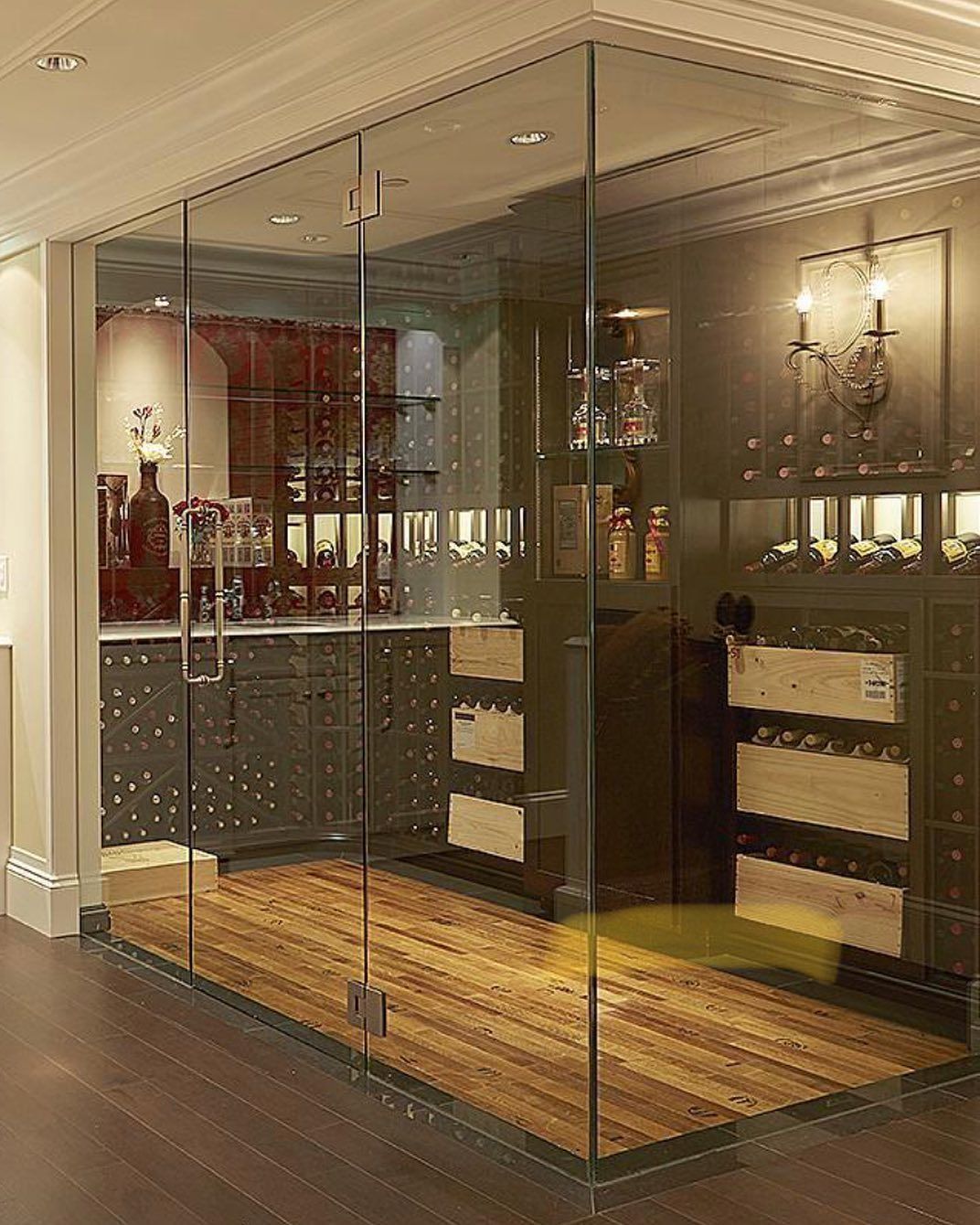
Authentic reclaimed wood from wine barrels, in warm honey to burgundy tones with rich grain. A beautiful aesthetic that connects directly to wine heritage. Drawbacks: expensive, requires periodic sealing, and can develop slight unevenness over time. Best for traditional cellars and high-end projects where authenticity matters.
02
Stone Flooring (Slate, Limestone, Travertine)
Elegant, cool, and naturally varied. Slate is durable and slip-resistant; limestone and travertine are lighter and more formal. All require periodic sealing to prevent staining but resist moisture well.
03
Tile Flooring (Ceramic, Porcelain)
Durable, moisture-resistant, and available in endless design options. Porcelain is harder and more stain-resistant than ceramic. Easy to clean, though it can feel cold — best balanced with warm racking materials.
04
Epoxy Flooring
A smooth, contemporary finish available in a range of colors and patterns. Extremely durable, moisture-resistant, and easy to clean. Suits industrial or modern aesthetics particularly well.
05
Cork Flooring
Warm, natural, and eco-friendly. Less common in wine cellars but offers genuine warmth and a slight give underfoot. Requires proper sealant to handle cellar humidity levels.
Design Integration: Flooring Pairs with Racking and Door
Flooring should complement racking and door selections as part of a coherent design. Warm wood racking in alder or mahogany pairs beautifully with stone, cooperage, or warm-toned tile. Metal racking pairs naturally with cool stone, slate, or contemporary epoxy. Glass doors work with almost any flooring but create visual focus — the floor beneath them needs to be intentional, not an afterthought. Contemporary metal doors pair better with epoxy or slate; wooden doors sit more naturally alongside stone or cooperage. We design flooring as part of the integrated aesthetic from the start, ensuring every element works together rather than competing.
Moisture and Temperature Considerations
Materials must resist:
Moisture Absorption
Concrete absorbs moisture and stains easily — not recommended without significant treatment. Natural stone resists well when sealed. Tile and epoxy are inherently moisture-resistant. Wood requires proper sealant throughout.
Efflorescence
In some regions, mineral deposits rise through concrete or stone, creating a white surface bloom. Proper sealing and drainage prevent it from becoming a problem.
Temperature Swings
Even well-insulated cellars experience modest seasonal changes. Materials must accommodate slight expansion and contraction — tile and epoxy handle this well, while wood and stone require proper installation with expansion joints.
Installation and Maintenance
Flooring installation is part of the cellar build, typically completed after walls are insulated and framed but before racking goes in — ensuring racking sits on a stable, finished surface. Maintenance requirements vary by material: stone and tile need periodic sealing every three to five years; epoxy requires occasional cleaning but minimal upkeep; cooperage benefits from annual seal inspection and periodic refinishing. All flooring benefits from regular cleaning and prompt attention to spills — wine stains are permanent if left to set.
FAQ: Wine Cellar Flooring
What's the most durable flooring for a wine cellar?
Epoxy and porcelain tile are the most durable. Cooperage and natural stone are beautiful but require more maintenance. Choose based on your aesthetic priorities vs. maintenance tolerance.
Can I have underfloor heating in a wine cellar?
Not recommended. Heating conflicts with climate control (your cooling system fights it). If you want warmth, insulation and proper design, floor heating matter more.
What's the cost difference between flooring options?
Epoxy is the most affordable option per square foot, followed by tile, then stone, with cooperage at the premium end. For a typical cellar, total flooring budgets range from modest to mid-range, depending on material selection and square footage.
Is natural stone safe for wine cellars?
Yes, if sealed properly. Stone is durable and moisture-resistant when maintained. Choose sealed stone (not bare, absorptive stone).
Can I install flooring myself?
Some materials (large-format tile, epoxy) are forgiving for DIY. Stone and cooperage are better left to professionals. We recommend professional installation for warranty and quality.
Does flooring affect cooling system performance?
Minimally. Proper flooring just ensures your cellar environment is stable. Poor flooring (absorptive materials, moisture issues) indirectly stresses the cooling system.
