
Wine Cellar Lighting: Showcase Your Collection Without Damaging It
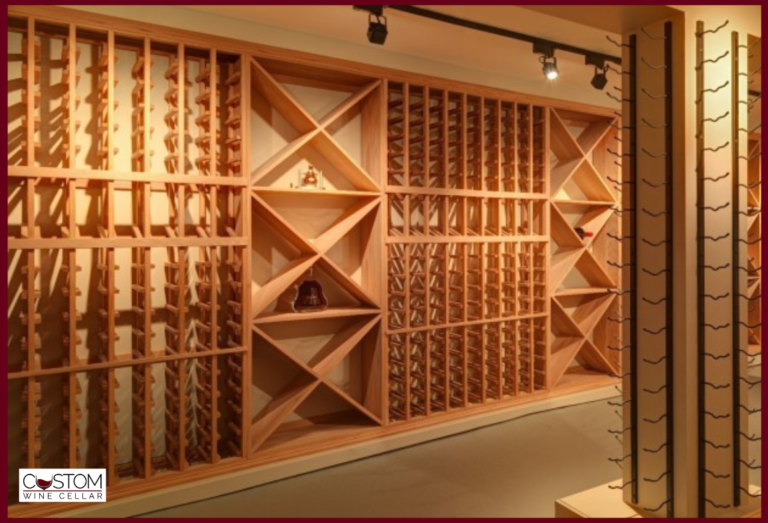
Proper lighting transforms a wine cellar from a storage room into a space worth spending time in. A layered approach — accent lights highlighting bottles, task lights for reading labels, ambient lighting for general visibility — makes the collection both accessible and beautiful. Unlike incandescent or halogen fixtures, which generate dangerous heat, LED systems run cool, produce no UV light that could degrade wine, and require minimal maintenance over their lifespan. At Cachet Wine Cellars, we design lighting that showcases collections while protecting them. RGB smart lighting with remote controls adds another dimension, allowing you to shift the mood — bright for tasting, dim for ambiance, color accents for special displays — with a single touch.
Why Lighting Matters: More Than Just Visibility
Wine is damaged by light, particularly UV and infrared. Incandescent and halogen fixtures generate both, creating two problems: infrared heat increases the cooling load, and UV degrades wine over time. LED lights produce virtually no UV and no infrared heat, making them the only responsible choice for a serious cellar. Lighting, then, is not just about visibility — it's about protecting the collection while making it enjoyable.
The psychological dimension matters equally. A brightly lit cellar feels welcoming and organized; dim, moody lighting creates intimacy and elegance. The right lighting makes people want to visit, linger, select a bottle, and spend time in the space. It's the difference between a storage room and an experience.
LED Technology for Wine Cellars: Why LEDs Are Non-Negotiable
01
Zero UV Output
Wine-grade LEDs produce no ultraviolet light, which means no label discoloration and no gradual oxidation of the wine itself. Standard incandescent bulbs contain UV; LEDs do not.
02
Zero Infrared Heat
LEDs generate essentially no heat — incandescent bulbs convert 90 percent of their energy to heat and 10 percent to light; LEDs reverse that ratio. The cooling system isn't fighting the heat, and the cellar holds a setpoint without wasting electricity.
03
Longevity
LED bulbs last 20,000 to 50,000 hours — roughly 10 to 20 years of normal use. Incandescent bulbs last around 1,000 hours. Maintenance becomes effectively trivial.
04
Dimming Capability
LED systems integrate with dimmer controls, allowing brightness adjustment from full illumination for label reading and bottle selection to soft ambient light for entertaining or atmosphere.
05
Smart Integration
RGB LEDs can be controlled remotely or integrated with smart home systems — color temperature, brightness, and lighting scenes all adjustable from a phone or wall controls.
Lighting Placement and Layering: Creating Depth and Visibility
Accent Lighting
Focused lights highlighting bottle labels and racking details, typically mounted above racks and angled downward. These create visual drama, make bottle selection easy, and define the room's visual hierarchy.
Task Lighting
Functional brightness for reading labels and accessing bottles, mounted at eye level or above wine islands and tasting tables. Brighter and more focused than ambient lighting, concentrated on work areas.
Ambient Lighting
General background illumination for overall visibility and movement. Usually on a dimmer, adjustable from bright for working to soft for entertaining.
Display Lighting
Special highlights for hero bottles or rare vintages, often color-adjustable LEDs that draw attention to specific bottles or shelves.
Under-Shelf Lighting
LED strips mounted beneath display shelves or islands, washing light downward to eliminate shadows in lower sections and add depth to the overall composition.
A well-designed cellar typically uses roughly 40 percent accent, 30 percent task, 20 percent ambient, and 10 percent display lighting. That balance creates visual interest, keeps bottles accessible, and avoids the harsh, clinical brightness that undermines the experience.
RGB Smart Lighting: Remote Control and Scene Setting
RGB LEDs combine red, green, and blue to produce millions of color options, with smart controls that go well beyond simple on/off.
Adjust Color Temperature
on demand via remote or app — warm white at 3000K for intimate entertaining, bright white at 5000K for working and bottle selection.
Set Scenes
"Entertaining" mode brings soft, warm lighting at lower brightness; "Working" mode switches to bright white with accent lights at full; "Feature" mode highlights specific bottles with color accents.
Gradual Dimming
slowly reduces lighting as the evening progresses, following natural circadian rhythms for those who value that kind of ambiance.
Integration with Smart Home
RGB controls connect with Nest, Crestron, or Honeywell so your cellar lighting becomes part of your whole-home automation system.
RGB smart lighting costs 30 to 50 percent more than standard LED, but for collectors who spend meaningful time in their cellars, the flexibility and sophistication it delivers make it a worthwhile investment.
Typical Lighting Installation: Layout and Cost
A 600-square-foot cellar typically requires:
Accent Lighting — 6-10 LED accent fixtures.
Task Lighting — 3-4 task lights, often integrated into tasting islands.
Under-Shelf Strips — LED strip lighting under display shelves.
Controls — Dimmers, switches, possibly smart integration, varying in cost depending on sophistication.
Total Lighting Budget — modest project, mid-range project for a typical residential cellar.
This represents 10 to 15 percent of total project cost — a modest share that is absolutely worth prioritizing. Poor lighting can undermine an otherwise beautiful cellar, and no amount of premium racking or fine materials compensates for getting it wrong.
What NOT to Use: Incandescent and Halogen Warning
01
Incandescent Lights
Generate 90 percent heat, contain UV, last roughly one year, and waste electricity. Never use in wine cellars.
02
Halogen Lights
Generate significant heat, contain some UV, and last two to three years. Not appropriate for wine storage. Occasionally used for dramatic effect in commercial cellars, but they damage wine over time.
03
Fluorescent Lights
Cooler than incandescent and halogen, but generate slight UV and can flicker. LEDs are superior in every meaningful way.
If your existing cellar has any non-LED lighting, replace it now. The cost of a single bottle damaged by poor lighting far exceeds the cost of upgrading.
Heat Considerations: Why Lighting and Cooling Are Linked
Every incandescent bulb adds heat load to your cellar. A single 100W incandescent generates approximately 100 BTUH — multiply that by ten bulbs, and your cooling system must work 20 to 30 percent harder, driving up annual electricity costs. LEDs generate essentially no heat and are cool to the touch. This is why we specify LED-only lighting in every professional cellar without exception. It's part of the integrated design: efficient lighting means an efficient cooling system, and both work together to protect the collection.
FAQ: Wine Cellar Lighting
Can I use any LED bulbs or do I need special wine cellar LEDs?
Standard LED bulbs work (and are UV-free). 'Wine cellar LEDs' are optimized for warm color temperature and light distribution, but any quality LED is safe for wine storage. Avoid cheap LEDs with poor color rendition.
How bright should a wine cellar be?
100-200 lux (roughly 10-20 foot-candles) for ambient lighting. 300-500 lux for task/work areas. Compare: office lighting is 300-500 lux; home living room is 50-100 lux. Wine cellars benefit from being slightly brighter than living rooms but not as bright as offices.
Do LED lights need to be replaced?
Rarely. LEDs last 10-20 years. If an LED fails (rare), you replace the bulb, not the fixture. Minimal maintenance.
Can I retrofit LED lighting into an existing cellar?
Yes. Most existing lighting can be converted to LEDs. If your cellar has incandescent or halogen bulbs, we strongly recommend converting to LED immediately.
Does RGB smart lighting really make a difference?
If you spend time in your cellar (hosting tastings, displaying collection, working), RGB adds enjoyment. If your cellar is pure storage, standard LED is sufficient. Choose based on how you use the space.
