
Wine Cellar Racking Materials: Wood vs. Metal & Everything Between
Your racking system is the foundation of your cellar's aesthetics and functionality — holding 300–2,500 bottles depending on your collection and shaping how the entire space looks and feels. Material choice matters beyond appearance alone; it affects durability, maintenance, and long-term performance. This guide compares wood species against metal options against acrylic, laying out the real trade-offs across every dimension that matters.
The Racking Materials At a Glance
- Wood Options: Spanish Cedar, Mahogany, Redwood (Premium or All-Heart), Alder, Pine. Each species has distinct properties and aging characteristics.
- Metal Options: Stainless Steel, Chrome, Black Chrome, Powder-Coated Iron/Steel. Metal comes in different finishes and weight capacities.
- Other Options: Acrylic (less common but used in some modern/commercial designs), cable systems (minimal material, maximalist aesthetic). We'll compare across eight dimensions that matter for your decision.
The Racking Materials At a Glance
01
Wood Options
Spanish Cedar, Mahogany, Redwood (Premium or All-Heart), Alder, Pine. Each species has distinct properties and aging characteristics.
02
Metal Options
Stainless Steel, Chrome, Black Chrome, Powder-Coated Iron/Steel. Metal comes in different finishes and weight capacities.
03
Other Options
Acrylic (less common but used in some modern/commercial designs), cable systems (minimal material, maximalist aesthetic). We'll compare across eight dimensions that matter for your decision.
Aesthetic & Visual Impact
Wood
Warm, traditional, and elegant, with each species offering its own distinct visual character. Spanish cedar brings a rich golden-brown tone, Mahogany runs deep brown-red, Redwood is warm tan, and Alder is light with prominent knots. Wood racking is often the visual centerpiece of a cellar — our Mission Viejo project's knotty Alder with lacquer finish is a striking example of racking that becomes a design feature in its own right.
Metal
Sleek, contemporary, and industrial. Stainless steel is bright and modern, chrome is reflective and sophisticated, and black chrome is dark and dramatic. Acrylic takes minimalism furthest, appearing nearly invisible and letting the bottles themselves become the focal point.
Winner for Aesthetics
A tie. Wood is warmer and classical; metal is cooler and contemporary. Your home's design language ultimately determines which fits better — neither is objectively superior.
Durability & Aging Characteristics
Spanish Cedar
Dense and naturally rot-resistant, Spanish cedar weathers beautifully over decades, developing a rich patina as it darkens slightly with age. Lifespan of 30+ years without degradation. A premium material and one of our most frequently specified choices.
Mahogany
Extremely durable with natural resistance to rot and insects. Develops a deeper, richer color over time — our Mission Viejo cellar's mahogany-faced racking remains in excellent condition after many years of use. Lifespan of 30+ years with minimal maintenance.
Redwood (All-Heart)
Very durable when All-Heart grade is specified — not common redwood. Naturally rot-resistant with a stable, lighter color. Lifespan of 20–30 years, excellent for wine cellars.
Alder
Less dense than mahogany or cedar and more susceptible to moisture damage without proper sealing. Requires a protective finish — lacquer or stain. With proper finishing, the lifespan reaches 15–20 years. An economical option that requires ongoing maintenance.
Pine
A soft wood prone to denting and moisture damage. Requires excellent sealing and high maintenance. Lifespan of 10–15 years with good care. Most economical but least durable — not recommended for cellars housing valuable collections.
Metal
Stainless steel lasts indefinitely. Chrome lasts 15–25 years before showing wear. Black chrome lasts 10–20 years, darkening with age. Powder-coated iron lasts 10–15 years before chipping, exposing rust.
Winner for Long-Term Durability
Spanish Cedar and Mahogany (30+ years) → Redwood and Stainless Steel (25–30 years) → Alder with proper finishing (15–20 years) → Chrome (15–25 years) → Pine and Powder-coated iron (10–15 years).
Maintenance & Care
01
Wood
Annual or biennial light maintenance — check for finish wear or wood damage and polish or re-stain as needed, typically every 5–10 years. Spanish cedar and mahogany are relatively low-maintenance when properly sealed. Alder and softer wood species require more frequent attention to maintain their finish and resist moisture.
02
Metal
Minimal maintenance throughout. Wipe down occasionally to keep surfaces clean. Stainless steel can show fingerprints, but cleans easily. Chrome benefits from occasional polishing. Acrylic requires gentle handling as it can scratch, though minor scratches polish out without much effort.
03
Winner for Low Maintenance
Metal and Spanish Cedar (minimal care, excellent longevity) → Mahogany (minimal care, excellent longevity) → Redwood and sealed Alder (occasional care) → Pine (frequent care required).
Weight Capacity & Density
Wood Capacity
Varies by species and configuration. Hardwoods like Cedar and Mahogany support 80–120 lbs per shelf in standard configurations, while softwoods like Pine and Alder support 50–80 lbs. Since most wine bottles weigh approximately 1.5 lbs, a shelf holding 60 bottles — roughly 90 lbs — requires good quality wood to perform reliably over time.
Metal Capacity
Generally higher across the board. Stainless steel racks support 100–150+ lbs per shelf, depending on configuration, and metal's superior strength allows for lighter-gauge materials that reduce cost without sacrificing capacity.
Practical Implication
For a 500-bottle collection, both wood and metal perform well — wood requires thicker gauges while metal can be more refined in profile. For dense storage of 1,500+ bottles in limited space, metal's superior weight capacity becomes a meaningful advantage.
Winner for Capacity: Metal → High-quality Wood → Softwoods.
Storage Configuration Flexibility
Wood
Fully custom-configurable into virtually any shape — diamond bins, rectangular bins, arch displays, individual bottle slots, double-deep configurations, and more. This design freedom is precisely why custom wood racking is so popular; you design exactly what your collection and space require.
Metal
VintageView cable systems, peg-based systems like Ultra-PEG, and rail systems offer meaningful flexibility. Not infinite like custom wood, but quite modular — layouts can be adjusted more easily than wood since components bolt together rather than being permanently assembled.
Winner for Flexibility
Custom Wood → Metal modular systems.
Integrated Features & Aesthetics
01
Wood
Naturally accommodates architectural elements — arches, display shelves, built-in decanting stations, and tasting tables. Our Mission Viejo project's arch with diamond bins below is a strong example of functional design that also serves as a visual centerpiece. Wood allows integrated design elements that feel native to the space rather than added on.
02
Metal
More minimalist in character, emphasizing the bottles rather than the racking itself. Display shelves can be incorporated, but the overall feel remains industrial and clean. Cable systems like VintageView are nearly invisible, allowing the collection to take center stage.
03
Winner for Design Integration
Wood (allows architectural expression) → Metal (minimalist, focuses on bottles).
Cost & project
Material costs vary meaningfully across racking options, generally scaling from most to least affordable in this order: Pine and basic metal at the entry level, followed by Alder and standard metal systems, then Mahogany and Redwood in the mid-to-premium range, with Spanish cedar and premium metal options like VintageView and acrylic at the top end.
Note: These are rough relative rankings. Custom installations vary significantly, and installation labor often exceeds material cost regardless of the material chosen.
Winner for Initial Cost: Basic Metal and Pine → Alder and standard Metal → Mahogany and Redwood → Spanish Cedar and premium Metal.
But initial cost is only part of the equation. Spanish cedar costs more upfront but lasts 30+ years. Pine costs less but typically needs replacement within 10–15 years. When the total cost of ownership is considered, durable materials almost always win.
Sustainability & Sourcing
Wood
Sourcing matters significantly. Premium Redwood and Mahogany can come from unsustainable sources, so verification is important. Spanish cedar is available from sustainable suppliers but requires due diligence. Reclaimed wood — FSC-certified antique redwood or barn wood — is an excellent choice for cellar racking. Alder is typically farmed sustainably and is one of the more environmentally straightforward wood options.
Metal
Steel and stainless steel are fully recyclable, making them a reasonable environmental choice. Chrome and powder coatings carry their own environmental costs during production. Acrylic is petroleum-based and not easily recyclable, placing it at the lower end of the sustainability spectrum.
Winner for Sustainability: FSC-certified or reclaimed wood → Stainless steel → Alder → Chrome and acrylic.
Material Recommendation Framework
Spanish Cedar or Mahogany If:
- You're building a premium cellar with a long-term vision
- You want beautiful aging and patina that develops over decades
- You value aesthetics and durability equally
- You're willing to invest in material quality
- You plan to stay in your home long-term
Redwood If:
- You want the warmth of wood at a more moderate price point
- You're in a dry climate where redwood's moisture resistance shines
- You value both durability and natural beauty
- Your budget is moderate but not minimal
Alder If:
- You want wood warmth at an economical price
- You're comfortable with more frequent maintenance requirements
- You're planning a 10–15-year cellar lifespan
- Budget is an important consideration
Pine If:
- Budget is your primary constraint
- You have excellent climate control in a dry environment
- You're comfortable with high maintenance demands
- You're planning a shorter-term installation of under 10 years
VintageView or Premium Metal If:
- You want metal aesthetics with greater design flexibility
- You can accommodate premium pricing
- You value modular configurability and easy layout adjustments
- The contemporary look of cable systems appeals to you
Stainless Steel If:
- You want contemporary or minimalist aesthetics
- Durability and near-zero maintenance are top priorities
- You want the bottles — not the racking — to be the visual focus
- You appreciate metal's clean, industrial aesthetic
Acrylic If:
- You want near-invisible racking that puts bottles center stage
- You're designing a commercial application like Hell's Kitchen
- You want a minimalist contemporary design throughout
- Your budget can accommodate a premium material
Real-World Examples from Cachet Projects
Our Mission Viejo residential cellar uses knotty Alder with a lacquer finish — chosen for its warmth and natural beauty. Five-plus years in, it remains in excellent condition with minimal maintenance required.
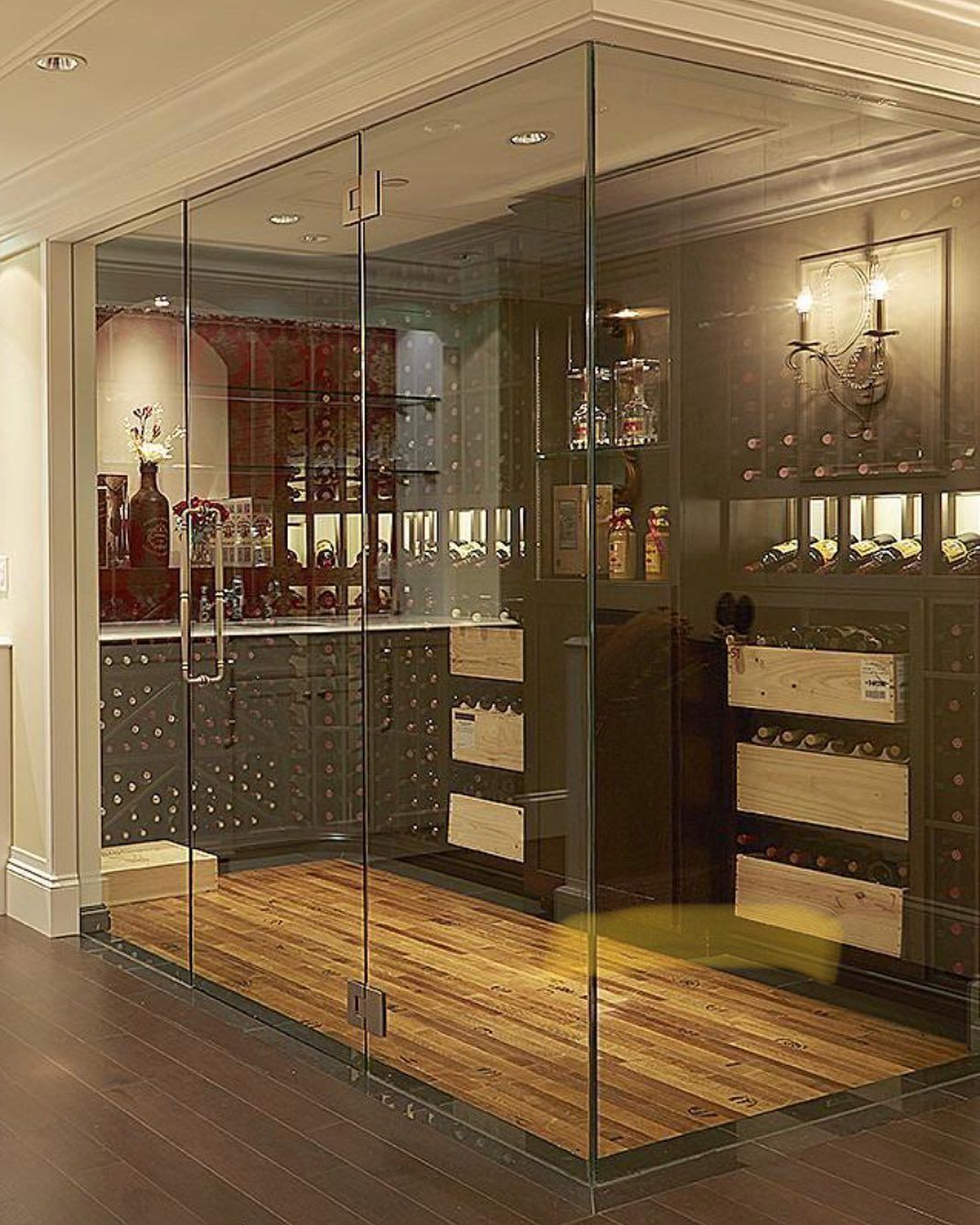
Our Manhattan Beach glass wall cellar pairs mahogany racking with full glass walls, combining the warmth and durability of the wood with the visual drama of the enclosure. The mahogany is aging beautifully and only improving with time.
Hell's Kitchen at Harrah's San Diego takes a different approach entirely, using acrylic racking to let the bottles become the focal point — a minimalist choice that works perfectly in a high-volume commercial setting.
FAQ: Racking Materials
Is there a 'best' racking material?
No — it depends on your aesthetic preference, budget, climate, and lifespan expectations. Spanish cedar is objectively the most durable option, mahogany is nearly as good at a more accessible price, and metal delivers a contemporary aesthetic that wood simply can't replicate. The best material is ultimately the one you'll love looking at for 20 years.
Can I mix wood and metal in the same cellar?
Absolutely. Combining mahogany racking with glass walls and stainless steel display shelves, for instance, can look genuinely sophisticated. Mixing materials is a deliberate design choice, and when done thoughtfully, it creates visual depth that a single material rarely achieves.
Will wood mold in my humid basement?
Not if sealed properly. A quality lacquer or stain finish protects wood effectively in humid environments. Unsealed wood in a damp basement will mold — but the solution is proper sealing, not avoiding wood altogether. Humidity itself is managed through cooling and dehumidification systems, not material selection.
Is mahogany expensive?
Moderately priced — more than Alder, less than Spanish cedar. For a 500-bottle cellar, mahogany racking falls in the mid-range for materials. Installation labor typically equals or exceeds the material cost regardless of the species chosen.
Can I stain or refinish wood racking after installation?
Yes, though it's labor-intensive. It's always better to choose your finish upfront and get it right the first time. Restaining every 10 years or so is possible if desired, but it's not a routine maintenance requirement — well-sealed wood holds its finish for a long time.
