
Hotel Wine Cellars: Wine as Guest Amenity & Revenue
At Cachet Wine Cellars, we've designed wine programs for MGM Grand, Palazzo, Waldorf Astoria, Caesars, Fairmont, and Ritz-Carlton. For hotels and resorts, a wine program serves multiple purposes: a guest experience differentiator, a revenue generator, and a brand statement. We know that hotel wine programs must balance guest convenience, operational efficiency, and aesthetic excellence.
Guest Experience: Wine Program as Amenity
Luxury hotels compete on experience, and wine programs are a meaningful differentiator. A guest arriving at the Waldorf Astoria with access to wine locker services receives an immediate signal: this property understands refined hospitality. A striking lobby wine display makes that impression before guests even reach their rooms. Integrated wine service across fine dining completes the picture.
Wine lockers add a layer of convenience that builds genuine loyalty. A guest with a serious collection can store bottles safely across multiple visits, and the recurring access gives them a reason to return to the same property. The revenue is welcome; the relationship is more valuable.
Display cellars in lobbies, restaurants, and bars reinforce the brand at every turn. Guests photograph them. Wine enthusiasts actively seek out properties known for premium programs. That reputation commands higher pricing and draws exactly the clientele a luxury property wants.
Operational Structure
STAGE
01
Display Cellars
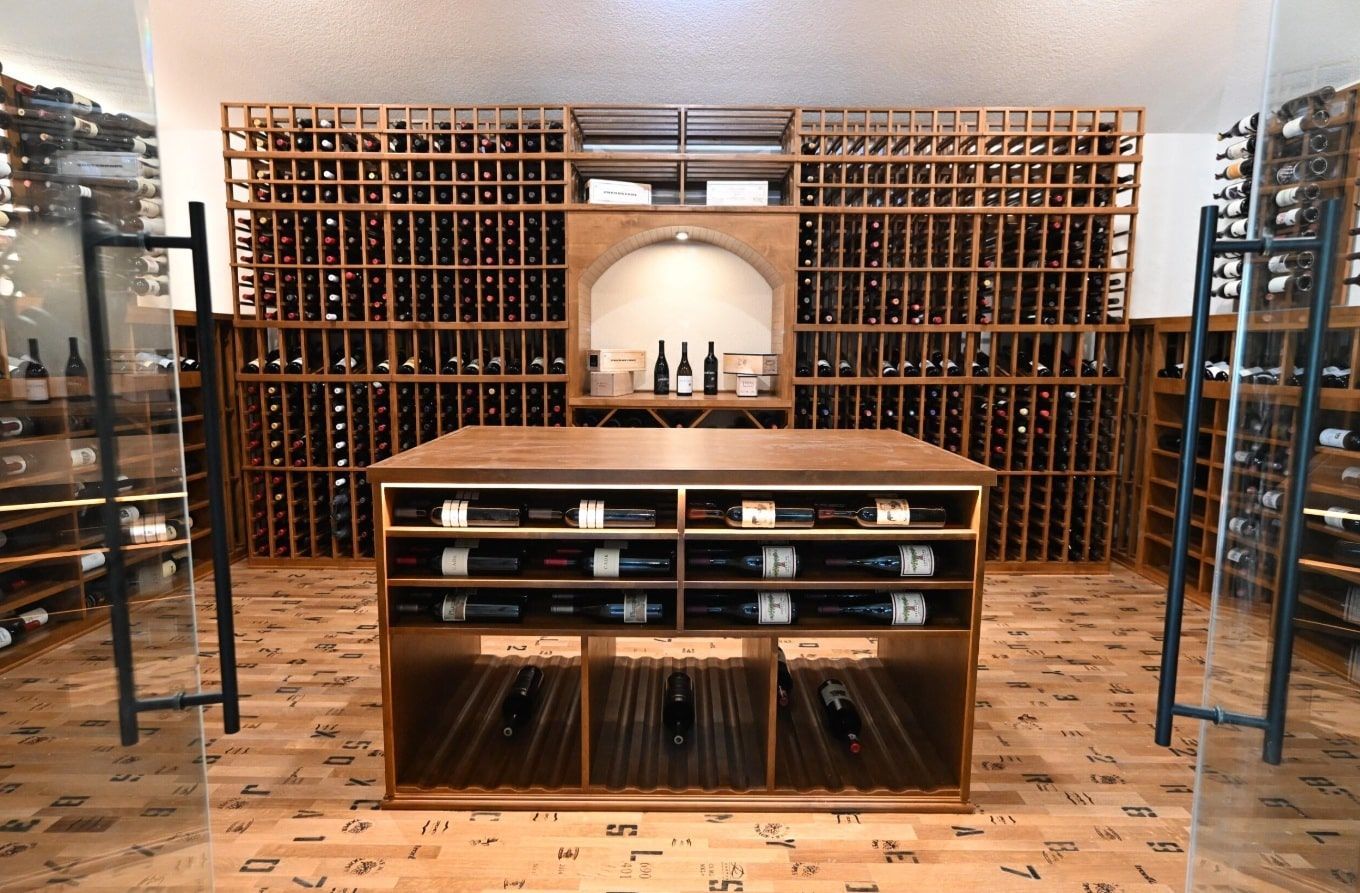
Premium selections displayed in high-traffic areas — the lobby, fine dining entrance, premium bar — signal the property's commitment to hospitality before a word is spoken. Depending on positioning, these displays are staffed or self-service. Either way, thoughtful lighting and clear organization make the selection feel effortless and inviting.
STAGE
02
Wine Lockers
Individual climate-controlled storage units give guests a secure home for their personal collections at the property. Programs typically range from 50 to 200 lockers depending on property size, with each unit maintained at 55°F and proper humidity. Access is handled via key card or PIN code, and the property charges an annual storage fee that varies by locker size and positioning.
STAGE
03
Storage Cellars
Behind-the-scenes storage keeps restaurant and bar inventory in perfect condition at scale — larger properties may house 5,000 or more bottles. Efficient retrieval depends on clear organization and well-trained staff who can locate any bottle without delay.
STAGE
04
Service Integration
Wine service woven into fine dining, room service, and guest events creates a seamless hospitality experience. Sommelier recommendations tailored to individual guest preferences elevate it further — turning a transaction into something memorable.
Featured Hotel Projects
STAGE 1
Guest Experience Design
Wine programs shape how guests perceive a luxury property at a fundamental level. A premium program signals that the property curates experiences rather than simply manages operations. Guest wine lockers become a genuine differentiator — when an international collector is choosing between Las Vegas resorts, the availability of private wine storage can be the deciding factor. That kind of influence on guest decision-making is precisely what justifies the investment and reinforces the property's premium positioning.
STAGE 2
MGM Grand
A multi-level wine program spanning five restaurants, eight bars, and premium guest services — with total inventory exceeding 8,000 bottles — requires dedicated storage facilities, sophisticated display areas, and distinct staff service zones. A separate guest wine locker program accommodates collector guests during extended stays, with 80 lockers generating meaningful annual revenue and serving as a tangible marker of the property's commitment to hospitality excellence.
The guest experience begins at check-in. Staff guide serious oenophiles directly to the wine lockers; the sommelier meets to discuss collection preferences; restaurant wine directors accommodate special service requests throughout the stay. Wine sales at this level generate 15 to 20 percent of total food and beverage revenue in high-end properties — a substantial contribution to overall profitability.
Maintaining that performance requires active management. Display selections rotate seasonally to prevent wine fatigue. A dedicated sommelier oversees inventory, leads staff training, and hosts guest wine education events. Pairing menus are crafted around premium offerings and applied consistently across the property. It is this depth of program — not just the bottles, but the expertise and service surrounding them — that defines the guest experience and sets the property apart.
STAGE 3
Palazzo Gaming Lounge
A premium display cellar featuring over 1,000 bottles, visible from the gaming floor, transforms the environment without overwhelming it. Subtle lighting creates visual interest while preserving the gaming atmosphere; contemporary minimalist aesthetics match the property's design language. Acrylic racking holds bottles at a 45-degree angle — labels visible, corks forward. The installation becomes a conversation starter. High-value guests notice the program, ask questions, and appreciate the attention to detail. High-rollers request wine pairings alongside premium spirits. Gaming floor visibility drives premium beverage sales, and the installation's return through enhanced guest perception and beverage revenue justifies the investment many times over.
STAGE 4
Waldorf Astoria
A complete premium program integrates guest wine locker service, restaurant display cellars, and bar programming into a unified hospitality offering. Wine lockers, available exclusively to elite loyalty tier members, provide climate-controlled private storage for international collectors, with annual membership fees varying by locker size and generating reliable recurring revenue.
Restaurant display cellars feature 2,500 or more bottles across dual-zone cooling systems — 55°F for fine dining service, 45°F for the lounge — with a curated list of 400-plus selections managed by a dedicated sommelier. The premium bar program highlights exclusive vintages unavailable elsewhere, reinforcing the property's positioning at every touchpoint.
Monthly wine education events hosted by the sommelier attract enthusiast guests, building the kind of personal relationships that translate into loyalty. Guests who experience an exceptional wine program remember it — and return specifically because of it.
STAGE 5
Caesars Palace
A multi-location wine program serving eight restaurants, fifteen bars, and room service operates at a different scale entirely. Central storage holds over 10,000 bottles managed by a dedicated sommelier, with smart inventory tracking preventing stockouts during high-volume periods — weekend events, conventions, peak seasons. Point-of-sale integration tracks wine sales by restaurant, by sommelier, and by guest preference, enabling data-driven decisions about list composition across the entire property.
Multiple display cellars create visual interest throughout,each tailored to its setting. The steakhouse showcases bold Cabernets, Bordeaux, and American wines; the French restaurant highlights Burgundy, Bordeaux, and premium Champagne; the Italian restaurant features Tuscan, Piedmont, and Sicilian selections. Each location speaks its own wine language while contributing to a cohesive property-wide program.
Staff training ensures sommelier-level knowledge across all service staff — a meaningful investment that drives higher check averages and wine sales per cover exceeding industry benchmarks. Professional wine service at this level is not just a hospitality detail; it is what sets the property apart from competitors.
STAGE 6
Fairmont Hotels & Resorts
A luxury guest experience program built around premium wine amenities serves high-value guests at every touchpoint. Elite loyalty tier members access private wine lockers at major properties; private tasting rooms accommodate collector guests and wine education programs; a wine concierge arranges custom pairings based on individual preferences; and room service delivers selected bottles directly to suites, with sommelier consultation available by appointment.
The returns are measurable. Guest satisfaction scores for the wine program consistently exceed other amenities, driving loyalty and repeat visitation. Premium positioning justifies membership pricing, and the program generates substantial wine revenue from exactly the guests the property most wants to retain. In a competitive luxury resort market, it becomes a signature service — the detail that distinguishes the property and keeps guests coming back.
STAGE 7
Installation Scale & Infrastructure
Hotel wine program installations require substantial infrastructure. A central cellar needs a dedicated cooling system, backup power, humidity monitoring with alerts, and security access controls. Display cellars throughout the property require proper insulation, electrical infrastructure for sophisticated lighting, and professional design matched to the property's aesthetic. Guest wine locker facilities need individual or zoned climate control, secure locking mechanisms, and continuous security monitoring. The total investment for a complete hotel wine program varies by property size, with management typically expecting an 18 to 36 month return through wine sales revenue, improved guest loyalty, and stronger premium pricing justification.
Long-term success depends on ongoing management. Quarterly inventory audits track aging potential — identifying which bottles benefit from additional cellaring and which have reached peak drinkability. The sommelier continuously evaluates inventory and plans service strategy accordingly, with some rare bottles aging five to ten years or more before reaching optimal service timing. Guests who discover perfectly aged rare selections curated by the property sommelier remember the experience. That reputation for exceptional wine curation, built steadily over time, becomes one of the program's most valuable assets.
STAGE 8
Event & Function Integration
Banquet and catering departments extend the wine program's reach beyond daily service. Wedding receptions, corporate functions, and charity galas each present an opportunity for premium wine service — custom selections, sommelier consultation, and professional presentation that generates revenue while reinforcing the property's brand. Event wine service is a meaningful business development channel, one that broadens the program's profitability well beyond retail sales and builds community relationships in the process.
STAGE 9
International Guest Accommodation
International travelers bring distinct expectations, and a sophisticated wine program can meet them personally. Château-focused selections resonate with French guests; Italian and Spanish travelers appreciate seeing their own regions represented with depth and care. That regional relevance signals a genuine attentiveness to hospitality. Wine locker membership, marketed directly to international collectors, takes this further — known collectors book return visits specifically to maintain their collections at the property, generating high-value member relationships and substantial recurring revenue in the process.
STAGE 10
Competitive Market Analysis
Premium properties continuously monitor competitors' wine programs. Properties without one lose guests to those that offer it; properties with underdeveloped programs lose high-value guests to those with superior ones. A wine program has become a competitive necessity, not an optional amenity — and ongoing enhancement is what maintains that positioning over time.
Wine locker memberships should be structured to maximize revenue while delivering genuine member value. Annual fees vary by locker size and location, with premium positions near fine dining commanding higher rates. Elite loyalty tier members receive complimentary access or discounted pricing. Membership benefits — dedicated climate-controlled storage, sommelier consultation, invitations to wine events, and discounted retail purchases — create a sense of insider belonging that strengthens loyalty. For mid-to-large properties running 50 to 100 active member relationships, the membership program alone generates substantial recurring annual revenue.
STAGE 11
Wine Consulting & Concierge Services
Premium properties offer wine concierge services that extend the sommelier relationship well beyond the dining room. Members consult on collection composition, acquisition strategy, and selling decisions — and the sommelier helps identify wines approaching peak drinkability before they decline, or sources specific bottles through special orders and private acquisitions. This consultative approach transforms the relationship from transactional to genuinely advisory. Members value that guidance, and the service generates additional revenue per consultation while building the kind of loyalty that keeps collectors returning.
STAGE 12
Case Study Integration
Successful wine programs earn their place in the property's marketing. Revenue data, guest satisfaction scores, and operational results all make a compelling case — one that should be visible across marketing materials, the property website, and guest communications. The sales team should be trained to mention the wine program during booking conversations, because for a growing segment of luxury travelers, it factors directly into the decision of where to stay. A well-executed program stops being an amenity and becomes a core marketing asset.
STAGE 13
Physical Space Planning Optimization
Effective hotel wine program design begins with space planning. The central cellar should facilitate sommelier access and efficient inventory management; display cellars positioned near fine dining create a natural visual relationship between the collection and the service; guest wine lockers placed near the concierge simplify member access. Back-of-house spaces that might otherwise go underutilized can become valuable storage areas, while front-of-house installations can be designed as architectural features in their own right. Thoughtful layout maximizes locker count, optimizes workflow, and ensures every square foot of the program is earning its place.
STAGE 13
Technology Integration & Monitoring
Modern wine programs run on integrated monitoring systems. Digital temperature and humidity sensors with cloud-based alerts keep conditions visible in real time; a management dashboard tracks all storage areas simultaneously; and historical data analysis surfaces seasonal patterns and maintenance needs before they become problems. Integration with property management systems streamlines member billing, bottle sales, and guest communication. The technology investment pays for itself through operational efficiency, reduced system failures, and a more professional guest experience.
Wine Locker Programs
Design Considerations
Individual climate-controlled units — typically 2' x 2' x 4' — maintain 50 to 55°F and proper humidity, storing between 150 and 300 bottles depending on size. Access is managed via key card, PIN code, or physical key, depending on the property's security system.
Revenue Model
Annual fees vary by locker size and market positioning. A 100-locker program generates meaningful recurring revenue with minimal ongoing cost — making it one of the more profitable revenue streams a property can operate.
Guest Benefit
Guests with significant collections gain peace of mind knowing their wines are stored safely at the property, ready on their return. That convenience and security build loyalty naturally — for hotels with a strong base of returning guests, the wine locker program becomes one of the most valued member benefits on offer.
