
Metal Doors: Architectural Statements in Steel and Iron
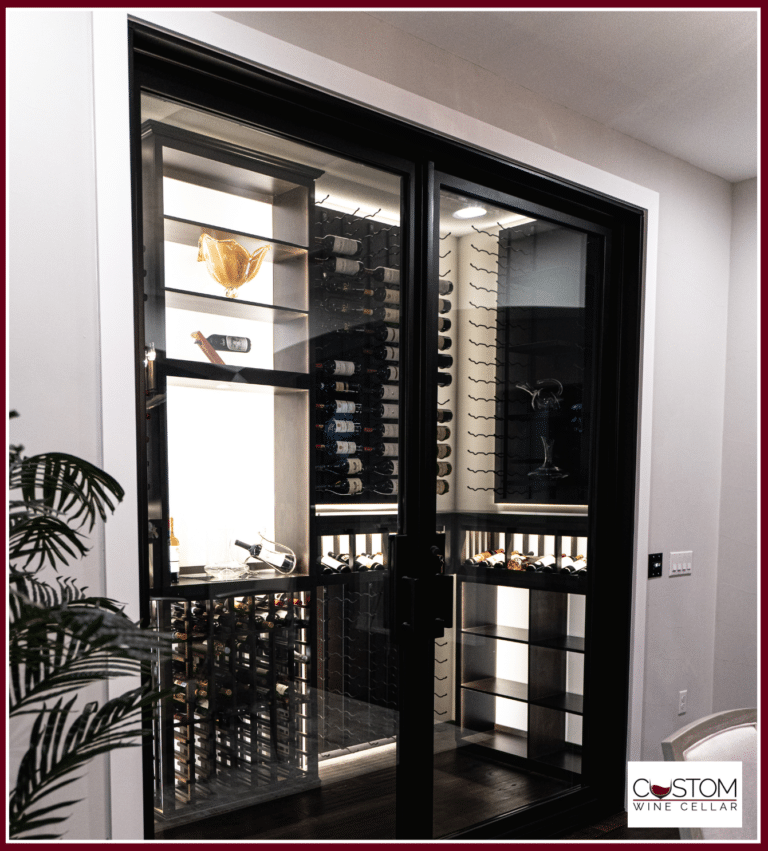
A metal door transforms the cellar entrance from functional to dramatic. Steel and wrought iron doors are heavy, sculptural, and make a profound design statement — working beautifully in contemporary, industrial, and artistic cellars where the door is part of the visual story. Metal doors offer exceptional insulation at R-8 to R-10 with thermal breaks, outstanding durability, and minimal maintenance. In large cellars where architectural impact matters, they are particularly compelling — a hand-forged iron door anchoring a sprawling basement cellar, or a sleek steel door defining a contemporary above-ground installation. At Cachet, we work with master craftspeople who create custom metal doors engineered for wine cellar environments without sacrificing artistic integrity.
Why Choose Metal: Drama, Durability, and High Performance
Metal doors are the architect's choice for high-impact entrances. Visually, a metal door becomes the cellar's signature feature — guests notice it before they notice the racking or the lighting. Functionally, steel with thermal break insulation delivers R-8 to R-10, among the best available, and performs superbly in any climate when properly gasketed and sealed. Durably, powder-coated steel or sealed wrought iron lasts 40 or more years with minimal upkeep — it won't warp in humidity like wood, and it won't show every fingerprint like glass. Metal is honest, durable, and genuinely low-maintenance.
Metal Door Types: Steel, Wrought Iron, and Custom Fabrication
01
Steel Doors
Contemporary, clean, and industrial. Steel is lighter than iron, allows minimalist framing, and integrates well with partial glass panels. Powder-coated finishes in matte black, bronze, charcoal, and metallic options are durable and low-maintenance. Custom fabrication opens up geometric patterns, perforated panels, and sculptural reliefs — with cost varying from standard to premium depending on complexity.
02
Wrought Iron Doors
Artistic, hand-forged, and sculptural. Heavier and more dramatic than steel, wrought iron carries a traditional or artistic character that is difficult to replicate. Every hand-forged door is unique — custom patterns, decorative scrollwork, integrated glass panels. Wrought iron patinas beautifully over time, developing depth and character. Cost reflects the labor intensity of the craft.
03
Mixed Material Doors
Steel frames with glass panels, or iron scrollwork overlaid on steel, combine structural strength with visual interest. Partial visibility is maintained while preserving the dramatic weight of a metal aesthetic.
Thermal Break Technology: How Metal Doors Insulate
Metal is thermally conductive by nature — a solid steel door with no thermal break would transfer cold from the cellar to the exterior wall, undermining insulation efforts entirely. Professional wine cellar metal doors solve this with thermal breaks: layers of insulating material, typically polyurethane foam, embedded within the door structure to interrupt conductivity. The result is a door that keeps exterior heat out and interior cool air in. A steel door with a thermal break delivers R-8 insulation; wrought iron achieves R-6 to R-7 depending on frame design. These are among the best insulation values available in any door type — superior even to double-pane glass — which is why metal doors, despite their higher upfront cost, deliver outstanding long-term performance in challenging climates.
Design Possibilities: From Minimal Contemporary to Elaborate Custom
Minimalist Contemporary
Sleek steel in matte black, simple geometric frame, barely visible hardware. The door steps aside so the cellar's lighting and racking can take center stage — functional elegance at its most restrained.
Geometric Modern
Steel with perforated or laser-cut patterns — hexagons, triangles, waves — that allow light through without full visibility. Dramatic and artistic without overwhelming the space.
Hand-Forged Traditional
Wrought iron with scrollwork, ornamental hinges, and decorative hardware. A vintage aesthetic that complements period homes and formal traditional cellars.
Industrial-Artistic
Steel or iron with exposed welds, oxidized finishes, and heavy sculptural presence. Suited to loft-like or contemporary artistic interiors where rawness is part of the design language.
Custom Fabrication
Metal doors can be designed for irregular spaces, curved walls, or unique architectural requirements — limited only by imagination and engineering. Most custom work requires a 12 to 16 week lead time.
Maintenance and Finishes: Durability Built In
Steel doors receive powder-coat finishes — baked enamel in your color choice — that are durable, scratch-resistant, and require little more than occasional dusting. Wrought iron develops a natural patina over time that adds character while protecting the metal, or it can be sealed for a more polished appearance; sealed iron requires resealing every five to ten years, but that's a minimal commitment. Compared to wood, which needs annual refinishing, or glass, which shows every fingerprint, metal is the clear low-maintenance choice.
Weight and Hardware: Engineering Considerations
Metal doors are significantly heavier than glass — a steel door may weigh 200 to 300 pounds, while wrought iron can exceed 400. This demands professional-grade hinges, threshold reinforcement, and balance systems engineered specifically for the load. Our door specialists handle this as part of every metal door installation. It's precisely why metal doors shouldn't be handed off to a general contractor — the hardware and engineering are specialized, and getting them right is what ensures smooth, lasting operation.
When Metal Doors Are the Right Choice
Metal is the right choice if architectural impact is the priority — and if you want a door that delivers exceptional insulation, ages beautifully, and demands almost nothing in return. It suits contemporary, industrial, and artistic cellars where the door is expected to make a statement, and where the space and ceiling height can accommodate a dramatic, heavy installation. Custom fabrication and specialized installation are part of the commitment, but for collectors who want a door that only gets better with time, that investment is well justified.
FAQ: Metal Door
Will a steel door rust in a humid cellar?
No — powder-coated steel is sealed against moisture, and wrought iron, when properly sealed, is equally protected. Both perform well in humid cellar environments. We specify sealed finishes as standard on every metal door installation.
How heavy is a metal door?
Steel doors: 200-300 lbs. Wrought iron: 300-500 lbs+. This requires professional installation and specialized hinges.
What if I want a metal door with partial glass?
Absolutely. A metal frame with a glass insert — upper, lower, or both — is a common and effective combination. It delivers the insulation and dramatic presence of metal alongside the visibility of glass. Cost varies by glass area and complexity.
Can I have a curved or arched metal door?
Yes — custom metal fabrication can accommodate arches, curves, and sculptural shapes of virtually any complexity. It carries a premium price and requires a 14 to 18-week lead time. The results are extraordinary.
Do metal doors insulate better than glass doors?
Yes — metal doors with thermal breaks achieve R-8 to R-10, outperforming both framed glass at R-4 to R-6 and double-pane glass at R-6. For insulation performance, metal is the clear leader.
How long does custom metal door fabrication take?
Hand-forged iron and highly custom designs require 12 to 18 weeks; custom steel runs 8 to 10 weeks. Plan your project timeline accordingly.
