
Wine Walls & Display Cellars: Design as Architecture
Wine wall is more than storage—it's architecture. These installations occupy significant wall space in your home and deserve proportional design attention. At Cachet Wine Cellars, we create wine walls that feel intentional, beautiful, and completely integrated with the surrounding space. From intimate 300-bottle displays to sprawling 2,000+ bottle installations, wine walls transform walls into living art collections.
Architecture That Showcases Your Collection
Wine walls demand different design thinking than enclosed cellars. They're always visible. They're part of your home's permanent visual narrative. Every detail—racking system, lighting, material finishes, proportions—contributes to how your home feels and how your collection is experienced.
We've designed wine walls in Newport Beach living rooms, anchoring entire design schemes. In Orange County, dining rooms have become conversation pieces. In commercial settings, the wine wall itself becomes a design statement as important as the collection inside. Well-designed wine wall doesn't feel like storage—it feels like intentional design happening to store wine.
The psychological impact of wine walls is significant. You see the collection continuously. Walking past your wine wall multiple times daily reminds you of acquisitions, travels, and collecting milestones. Collection becomes ambient in your home—something you are constantly aware of without opening doors or retrieving bottles. This visibility creates a different relationship with wine than cellars do.
Display Systems & Racking Approaches
STAGE
01
Cable Racking
Works beautifully in wine walls because it creates minimal visual weight. Bottles suspended on stainless steel cables against solid wall or glass backing create sculptural quality. Cables seem to disappear, making bottles the main focus. This system works in contemporary and modern interiors where clean lines and visual clarity dominate.
STAGE
02
Wooden Racks
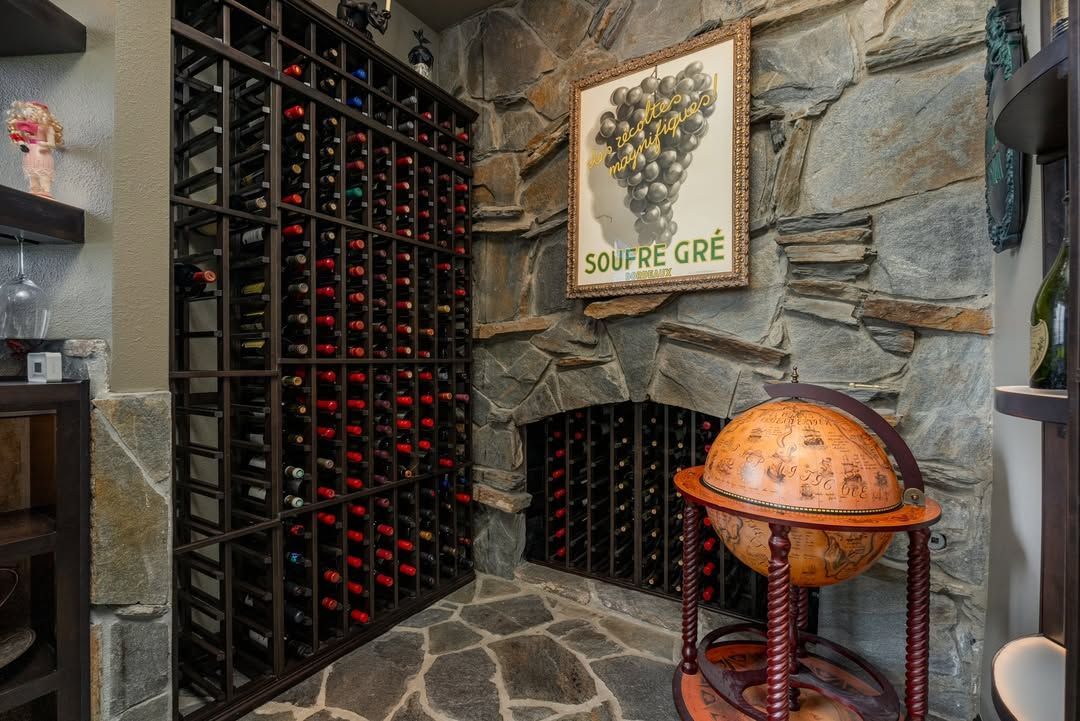
Walnut, alder, or oak in wine walls create warmth and visual richness. Wood grain becomes visible continuously and creates design backdrop anchoring entire room's aesthetic. Traditional and transitional interiors often feature wooden wine walls that feel like built-in cabinetry.
STAGE
03
Hybrid Displays
Mix racking styles for visual interest. Cable sections alternate with acrylic displays. Wooden racks sit beside open shelving. This variety creates visual engagement and allows different sections to serve different purposes. High-display bottles sit in prominent sections. Whereas, everyday wines fill other sections. Mixing creates visual interest.
Lighting as Critical Design Element
In wine walls, lighting becomes as important as the bottles themselves. Backlighting creates depth and visual drama, while recessed ceiling lights deliver shadow-free illumination across the entire display. LED strips along the shelves make labels readable and give each bottle a warm, luminous glow. Picture walking into a room at night — the right lighting makes bottles appear to radiate from within, lending the wall an almost ethereal quality.
Color temperature plays an equally profound role in shaping how a wine wall feels. Warm white LEDs (3000K) cast an inviting golden light, while cool white (4000K) achieves a crisp, gallery-like clarity. Adjustable systems offer the best of both, allowing the ambiance to shift with the occasion — warm and welcoming for entertaining, cooler and sharper for everyday viewing. Some clients take this further, programming seasonal changes that move with the rhythms of the year.
Ultimately, proper illumination should make every bottle visible and attractive from any angle, with strategic placement preventing glare and harsh shadows. When done well, the soft glow of warm LEDs brings out the richness of each wine's color, and even the label reads with effortless clarity. This is lighting as craftsmanship — not merely functional, but transformative.
Integration with Home Design
Wine walls must coordinate with the surrounding space, or they feel like expensive clutter. A living room wine wall should echo the room's existing color palette and materials, while one in a dining room ought to coordinate with the table finishes and architectural trim. The overall style of the space matters just as much — contemporary settings call for sleek frames and minimal ornamentation, whereas traditional interiors benefit from appropriate architectural detailing.
The wall itself matters enormously. Positioned against a feature wall with a distinct color or texture, a wine wall commands attention and becomes a natural focal point. Tucked into a nook or alcove, it feels more integrated — a seamless part of the architecture rather than an afterthought. Proportions matter just as much: how wide, how tall, how deep the installation is will determine whether it reads as a deliberate design choice or an awkward addition. Every project calls for careful thought about proportion, placement, and how the wine wall converses with the surrounding space.
Climate Control Engineering: Climate control for wine walls requires invisible engineering. You can't install a cooling unit in the middle of the living room wine wall. Instead, we engineer ducting running behind walls or through ceilings, keeping mechanical systems completely hidden. Wine wall appears as pure design with no visible infrastructure, while underneath, precision climate control maintains perfect conditions year-round.
Featured Wine Wall Projects
Newport Beach 1,200-Bottle Wall
A 20-foot wall that once held ordinary shelving and books was transformed into a striking display of 1,200 bottles, using cable racking and sophisticated lighting. Visible from the kitchen, dining room, and living room simultaneously, it became a design anchor that elevated the entire home's aesthetic. Visitors notice it the moment they walk in — it carries that kind of visual weight. What had been an unremarkable room became a gallery-like experience.
Orange County Dining Room Wall
Floor-to-ceiling wooden racks housing 800 bottles brought a transitional sensibility that worked beautifully with the home's traditional-meets-contemporary aesthetic. For dinner guests seated at the table, the collection was always in view — wine selection became something visual and intuitive rather than a list on a menu. The wall functioned as both a conversation piece and a design centerpiece, fulfilling two roles with equal ease.
Commercial Restaurant Wine Wall
At a high-end restaurant, a wine wall does more than store bottles — it makes a statement. When guests see 2,000-plus bottles on arrival, they understand immediately that this establishment takes wine seriously. The wall becomes marketing, design, and storage all at once, delivering practical business impact through the power of a single, well-executed design decision.
These projects prove wine walls aren't budget compromises or secondary solutions—they're intentional design features that improve homes and commercial spaces. When executed properly, they become spaces people remember and appreciate for years.
