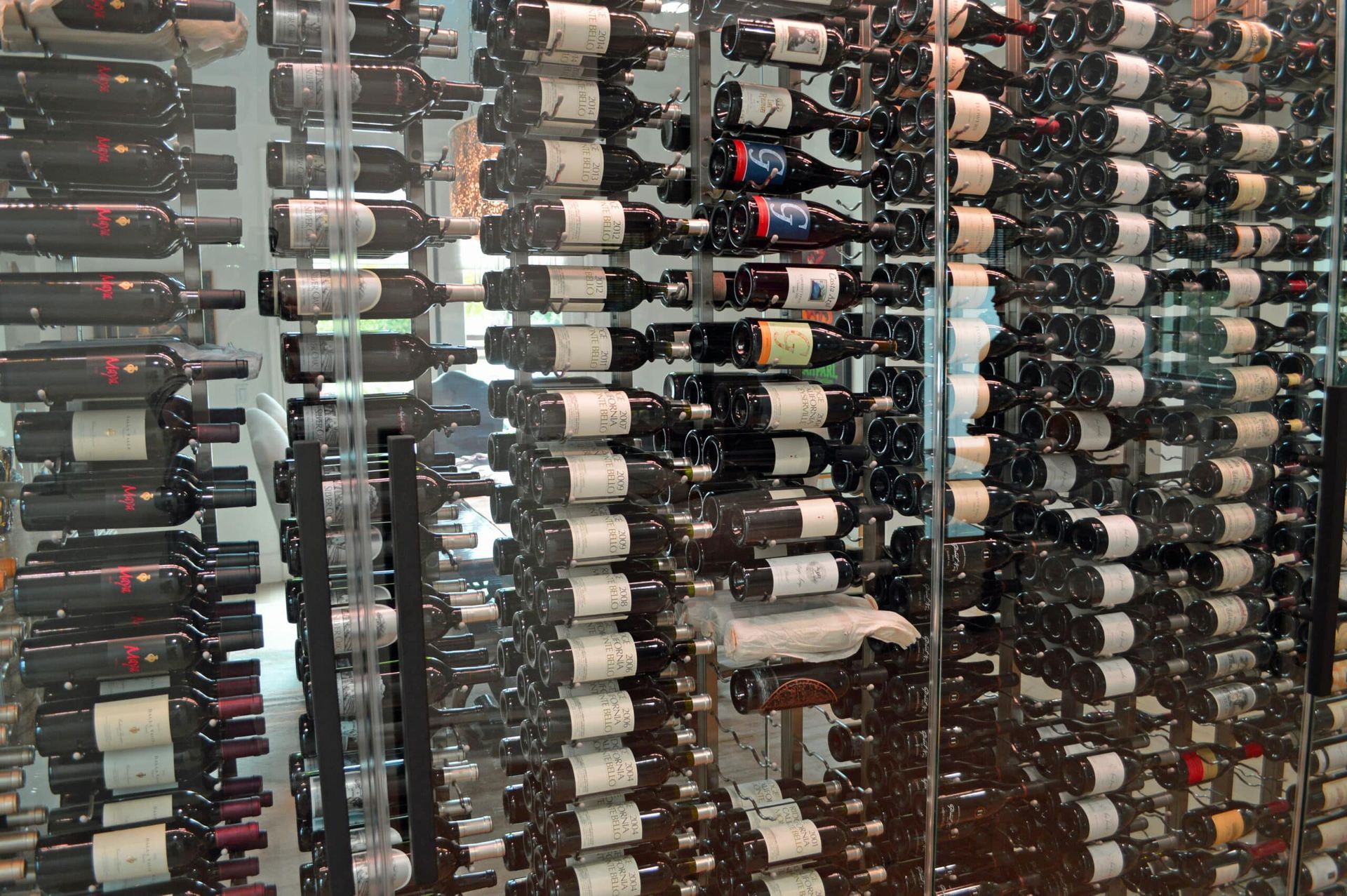
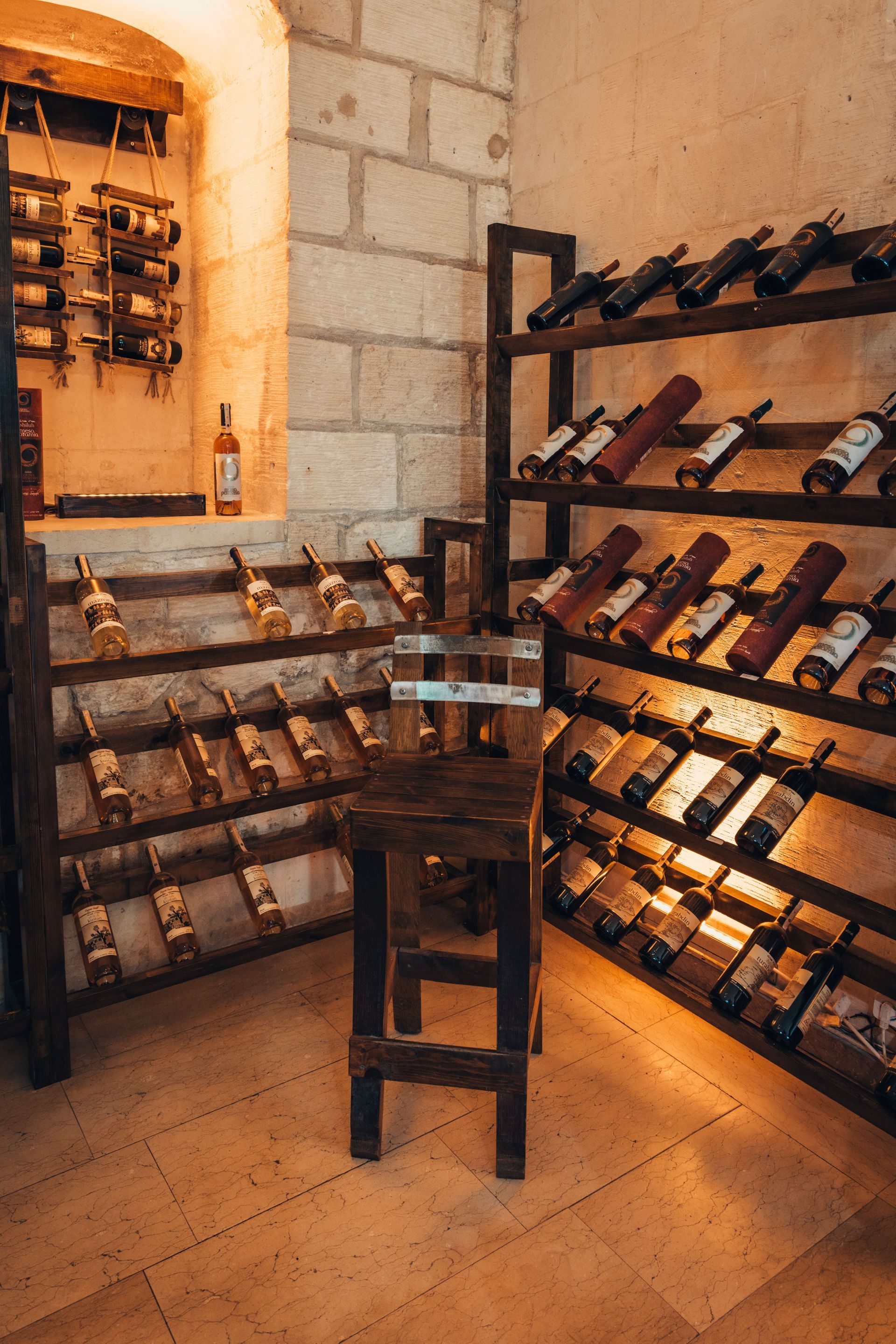
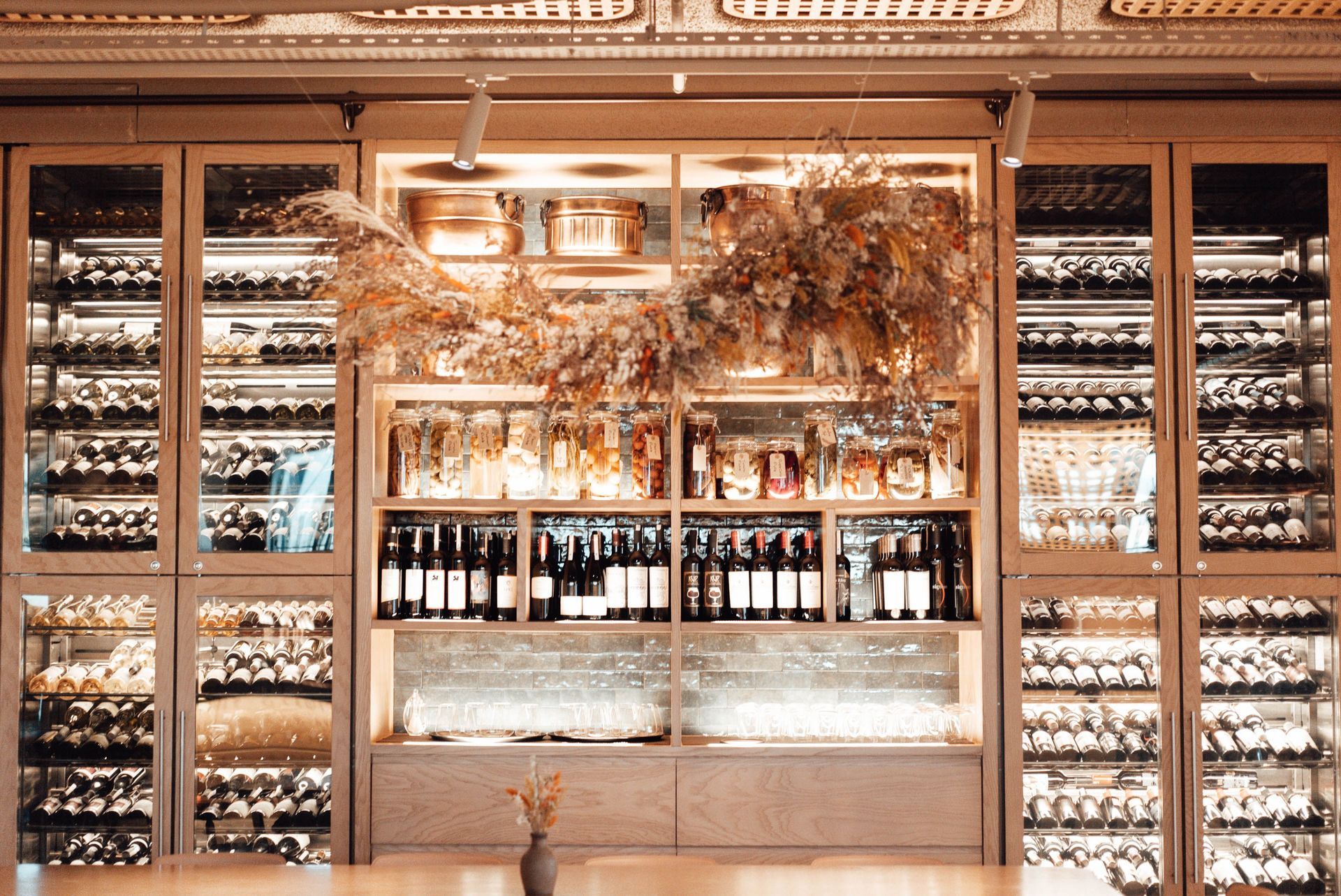
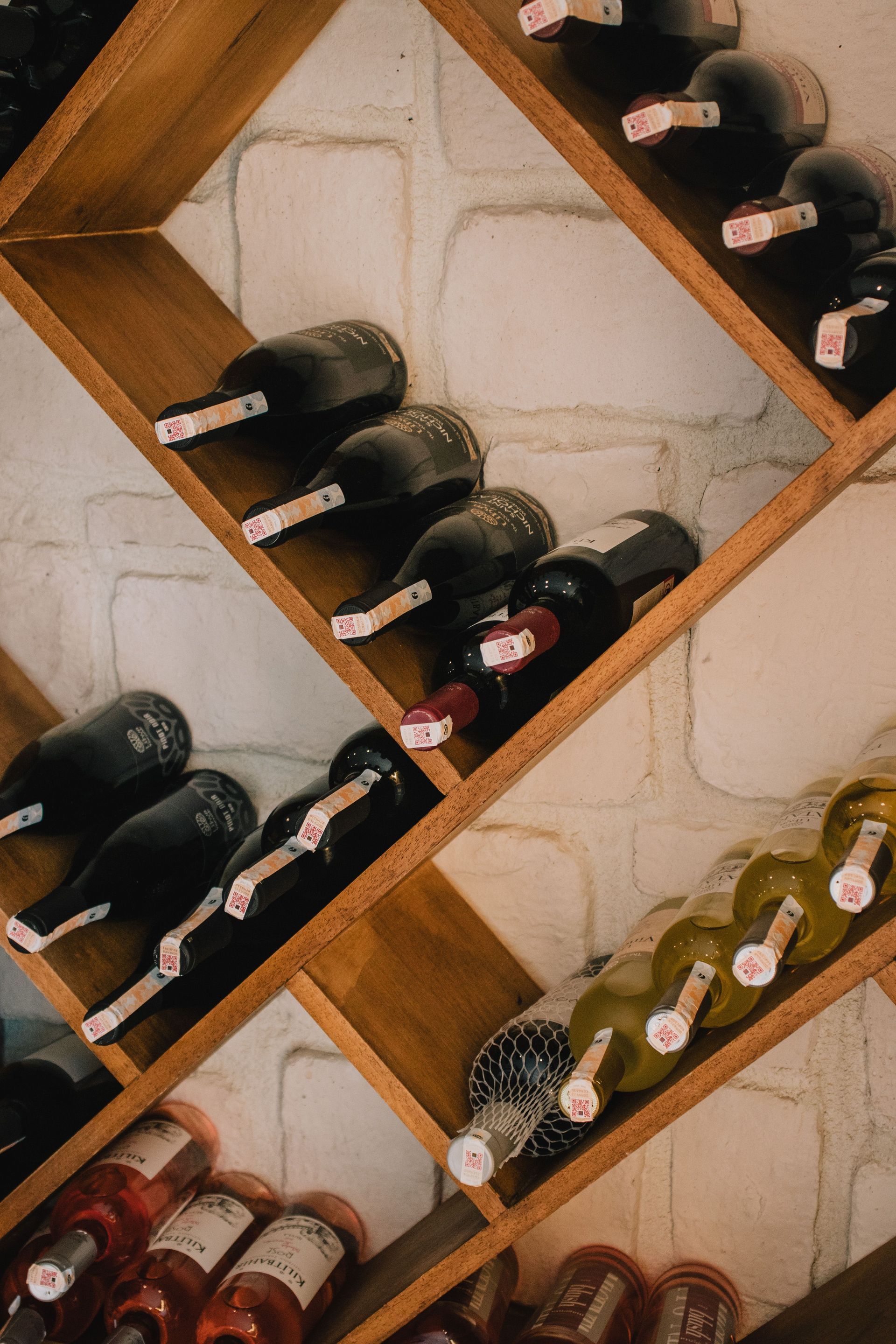
You are standing at a bare wall with a tape measure, and the rack choice comes down to one dimension: how many bottles sit behind each opening. A single-deep run holds one bottle per opening. A double-deep run holds two, nose to tail, in a rack about 23 inches deep. The face of the wall looks nearly the same either way. What changes is the count behind it, how you reach it, and how much floor the wall takes from the room.
The table below sets the two side by side before the details.
| Factor |
Single-deep |
Double-deep |
| Bottles per opening |
One |
Two, one behind the other |
| Rack depth |
Sized for one bottle about 12 inches long |
About 23 inches |
| What you see |
Every bottle's label or cork end |
The front bottle only |
| Reaching a bottle |
Lift it straight out |
Remove the front bottle to reach the rear one |
| Room depth taken |
Least |
About a foot more per wall |
| Suits |
Display, daily drinkers, small rooms |
Bulk storage, cases, long-term bottles |
How the Two Racks Are Built
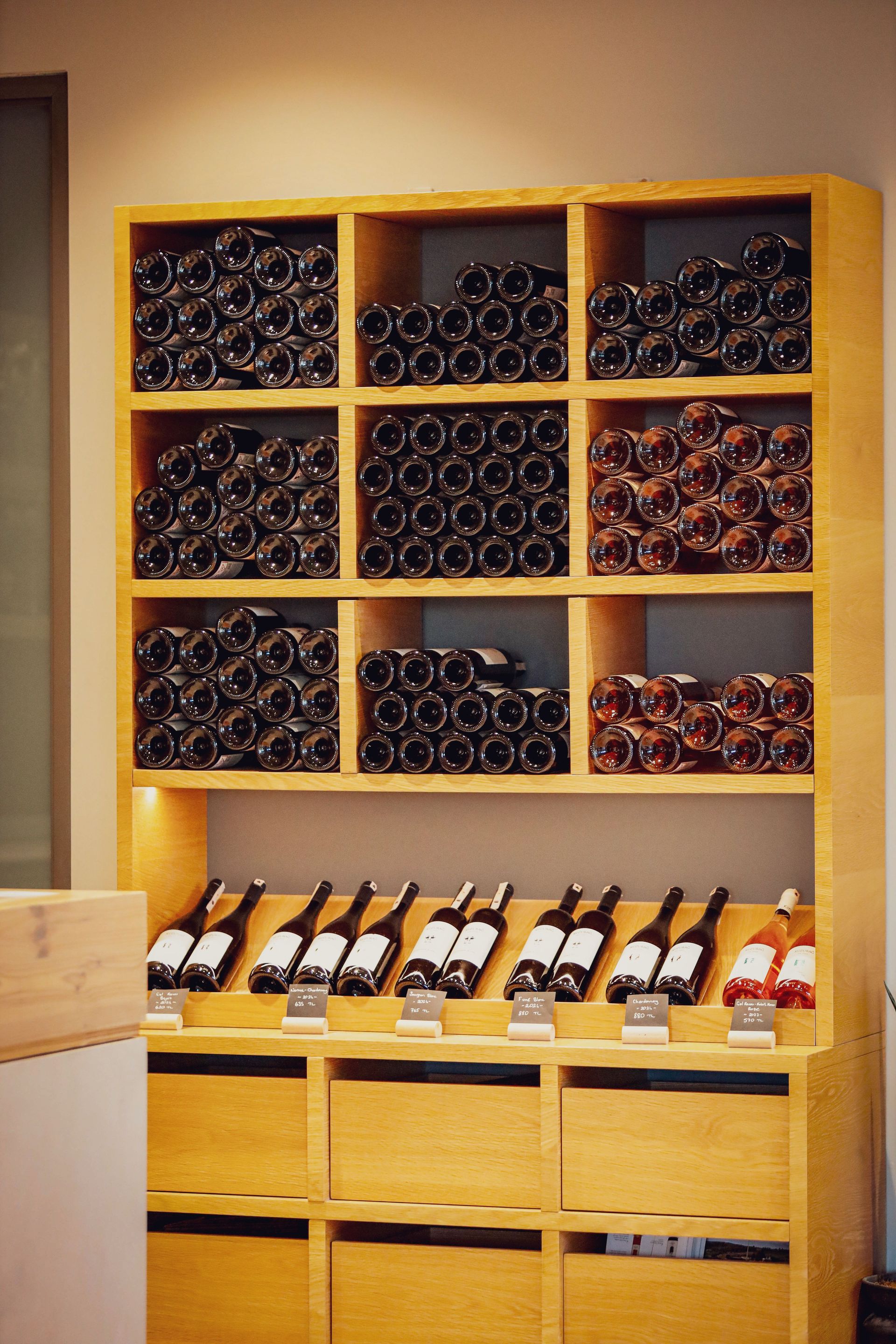
A standard 750 ml bottle is about 12 inches long and 3 to 3.2 inches across, which is why a bottle cubicle is cut at 3 3/4 inches: it clears a regular bottle and a standard champagne bottle. A single-deep rack is framed to hold one bottle of that length lying flat, neck facing out.
A double-deep rack keeps the same 3 3/4 inch cubicle face and extends the run back to 23 inches, deep enough for two bottles one behind the other, with the front bottle's neck standing a little proud of the face. The dividers, spacer bars and toe-kick base follow the same logic as the shallower rack. Because the opening you see is the same size, the two depths line up course for course when they share a wall.
Capacity Per Wall
The face of a wall has a fixed number of openings, set by its width, the height of the racking and the spacing of the cubicles. Going double-deep puts a second bottle behind every plain cubicle, so a wall that holds 300 bottles single-deep holds close to 600 double-deep, provided the room can spare the depth. That is the whole case for the deeper rack, and in a small space it is a strong one.
Two features keep the gain from landing at exactly double. A display row, where bottles lie at a slight angle on a ledge to show a label, holds one bottle per position because it is a showcase. The top row of a tall rack can be set up as a display row for the same reason. Those positions stay at their single-bottle count while the cubicles below them double.
Capacity also depends on the bottle. The 3 3/4 inch cubicle fits regular wine bottles and regular champagne bottles. Magnums need a larger opening, and a larger opening is fewer openings per wall.
Access and the Bottle Behind
Every double-deep opening has a trade built into it. The front bottle is the one you can see, and the rear bottle cannot leave the rack until the front one has been taken out. You lift one bottle out, set it somewhere safe, and then reach the second.
That sequence suits a collector pulling a bottle a week and annoys someone who opens several bottles in an evening. It is where double-deep earns its keep in a restaurant back room or a long-term wall, where the same wine sits in cases and the front bottle is as good as the rear one.
The reach matters more at the extremes of the rack. A bottle in the lowest row is a long stoop, and a bottle in the top row sits above head height; the rear bottle in either spot is another 12 inches farther away than the front one. Placing the bottles you will reach for at chest height keeps the extra depth from becoming a nuisance.
TIP
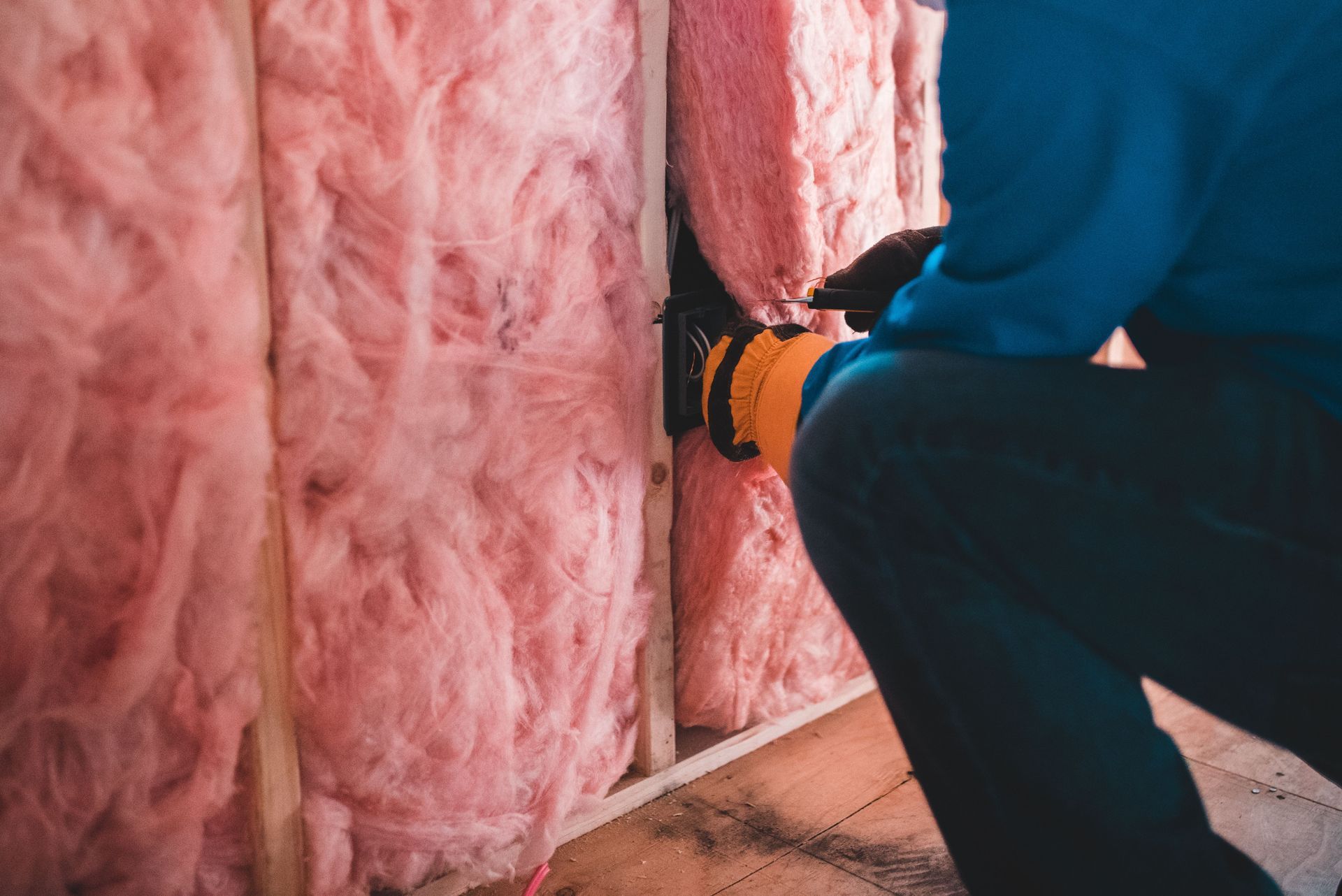
Measure from the finished wall face, not the bare framing. Spray foam fills the stud cavity on exterior and interior walls alike, so the 23-inch rack depth starts at the finish board over the studs.
Room Depth You Give Up
A double-deep wall takes roughly a foot more of the room than a single-deep one, and that foot comes out of the aisle. A rack run along each side of a narrow room costs the walking space twice. In a closet converted to a cellar, two double-deep walls may leave too little width to stand and turn with a bottle in your hand, while a single-deep wall on one side and a double-deep wall on the other leaves a workable aisle and still adds capacity.
The rack depth also presses on whatever else sits on the wall. A door swing, a window opening, a light fixture and the cooling equipment all claim space. The framing depth those walls need for their foam is the number to settle before the rack is ordered, not after.
Where Each Depth Belongs in One Cellar
A cellar has more than one job. The wall you see when the door opens, the walls you walk past, and the one at the far end behind a tasting table are used differently, and the rack depth can follow the use.
Single-deep for the walls you see:
Display rows, label-forward bottles and the wall facing the door suit a single-deep rack, because every bottle is visible and every bottle can be reached. The shallower rack also lets a feature wall carry lighting, a mural or a curved corner without pushing into the room.
Double-deep for the walls you stock:
A back wall or side wall that holds cases of one wine across several rows suits double-deep. The front bottle and rear bottle are the same wine, so the order of removal does not matter. Wines meant for long storage belong here too, since they are touched seldom.
A mixed layout in one run:
Wood rack kits come in single and double-deep configurations, and the double-deep kits follow the layouts of the traditional single-deep series, so a design can combine them wall by wall. A custom section can also join a kit section where a wall has an irregular length. Keeping the same cubicle face across both depths keeps the rows level across the join.
The Cooling Unit and the Layout
The wall count changes once the cooling equipment is placed. A through-the-wall unit sits in a cellar wall and needs the room behind that wall to stay at 80 degrees F or lower. Where the room behind is a laundry or a finished hallway, that works, and the racking on that wall is planned around the unit. Where the only neighbor is a garage or attic that bakes in hot weather, the plan turns to an exterior-rated model built for 105 to 110 degree exhaust air, or to a ducted or split system, which takes the compressor out of the cellar wall and can leave more of that wall for double-deep racking.
That decision belongs in a rack discussion because each cooling type claims space in the cellar in a different shape. Choosing the system at the start lets the electrical, drain and copper lines be run before the walls close, and it shows which walls are left for racking. Deciding how many double-deep walls the room can hold before knowing where the equipment sits is how a cellar ends up with a rack that has nowhere to stand.
Deciding Wall by Wall
Work through the cellar one wall at a time and ask three questions of each. First, is the wall one you stand and look at, or one you stock? Display and daily bottles point to single-deep; stock points to double-deep. Second, how much room is left once the insulation, the aisle and the equipment have taken their share? A wall that cannot spare a foot stays single-deep whatever the collection needs. Third, how do you drink? If you open one bottle at a time and decide on the night, the front-bottle step costs nothing. If you open three and want to choose among them by label, the rear row will frustrate you.
When the answers conflict, the room's depth settles it, because a collection can be reshelved and a wall cannot be moved. A drawing that lists the bottle count wall by wall turns capacity against floor space into two numbers you can compare before anything is built.
A rack is a decision about where your hands will be for years of evenings, so choose the depth you will be comfortable reaching into on an ordinary weeknight.
Frequently Asked Questions
Can magnum bottles go in a double-deep rack?
Yes, through a separate rack. The 2-column double-deep Magnum/Large Champagne rack and the 2-column double-deep Split rack are offered alongside the standard cubicles, so a larger-format section can sit on the same wall as the regular openings.
Do bin racks come in double-deep?
Yes. All double-deep bin racks are lattice, and the bin extenders for them are lattice too. Cubicle and bin extenders for double-deep racks are available on request, so ask the designer whether a run needs one.
How should I fill a double-deep opening?
Put the same wine in the front and the rear position, and when the front bottle comes out, slide the rear one forward. The next pull is then a single reach, and the empty rear slot tells you the column is down to its last bottle.
Does depth stop at two bottles?
In wood rack kits the choice is single or double. Label-forward metal pegs and rails come in double and triple depth, in a home wine closet as readily as in a restaurant that moves cases of one wine.
Does a deeper rack get in the way of the cooling unit?
It can. A double-deep wall facing a through-the-wall unit reaches 23 inches into the room before the unit's front clearance even starts, so in a narrow room that wall is the one that drops to single depth.
Which wood suits a double-deep rack?
Redwood and mahogany both stay stable and resist mildew in a cool, damp room, which is why they are the usual choices. Softer woods such as poplar fare worse there, and aromatic cedar is left out because of its strong scent.
Get a free 3D design drawing of your cellar at both rack depths â weigh the extra capacity against the lost floor space before any racking is built. Cachet Wine Cellars serves Orange County and Southern California. Call (949) 569-7857.
Call (949) 569-7857