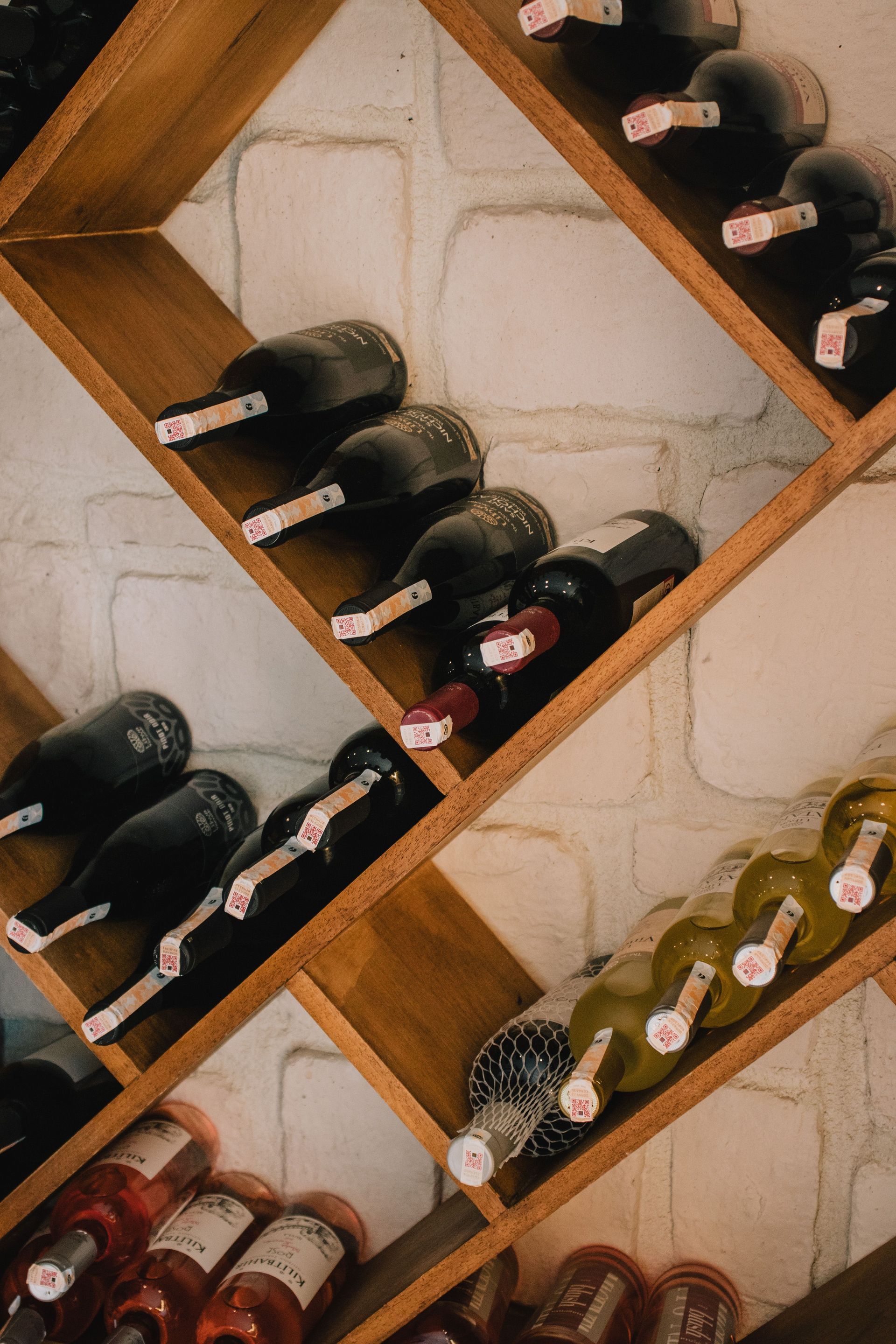
The moment a cork comes out, the wine inside meets air, and the oxygen in that air starts working on it. Color deepens toward brown, the fruit and floral notes thin out, and the wine tastes duller than it did an hour ago. A wine preservation dispensing system is built around stopping that exchange: it fills the space above the wine with an inert gas each time a glass is poured, and it holds the bottle cold enough to slow whatever chemistry remains. The sections that follow take the questions a buyer asks in order, using the WineStation Pristine PLUS as the example.
What Oxygen Does to Wine Once the Bottle Is Open
Wine is a solution of alcohol, acids and aroma compounds, and several of them react readily with oxygen. Some of the ethanol converts to acetaldehyde, a compound that smells sharp and nutty rather than fruity. Pigments and tannins shift as they take up oxygen, which is why a red loses its brightness and a white drifts toward gold.
A small amount of air can help a young wine open up, and a glass left to breathe for a few minutes is a normal part of service. The trouble starts when exposure never stops. With a bottle sitting half full, the air in the neck keeps supplying oxygen long after the last pour, and every glass poured leaves more empty space for air to fill.
Warmth plays a part too. Chemical reactions generally run faster as temperature rises, so an opened bottle left on a counter changes sooner than one held cold. A dispenser addresses both variables together: it limits oxygen and controls temperature.
How the Gas Takes the Place of the Poured Wine
When a pour is triggered, wine leaves the bottle and something has to fill the gap. In an ordinary bottle that something is room air. In a dispenser, argon enters the bottle as the wine leaves, so the volume that went into the glass is replaced by gas.
Argon is a noble gas: it does not react with wine, and it has no smell or taste of its own. It is also heavier than air, so it can settle as a layer over the wine and stay there between pours. The argon tanks are disposable, compact and light, which keeps the gas supply simple to store and swap.
That replacement happens with every pour, not once at the start. A bottle that is two-thirds gone has a large headspace, and the gas has refilled that space as the level dropped. Each glass leaves the remaining wine under argon.
The Pour Head and Lifting a Bottle Out
The point where gas goes in and wine comes out is the dispensing head. On the Pristine PLUS this is a Clean-Pour head, designed without internal tubing for the wine to travel through. With no tubing to rinse, no residue from a previous wine sits in a line, and the head can go through the dishwasher between wines.
The head does not clamp the bottle in place either. Because it handles the sealing and the gas delivery, a bottle can be lifted out and carried to a table or a cellar shelf while the argon layer stays on the wine. That freedom matters when a bottle moves between a kitchen unit and a dinner table.
Each bottle can be set to three pour sizes: a taste, a half glass and a full glass. Measured pours also change how long a bottle stays open: one emptied in small tastes spends more days partly full than one finished in a single evening, and the gas covers those extra days.
One Pour From Start to Finish
Following a single glass through the cabinet shows where each control acts. The bottle sits under its head with the door closed and the cabinet holding its set temperature. A press on the touch panel selects taste, half or full glass. Wine flows from the bottle through the head into the glass, and argon moves in to fill the space the wine left. The head closes off again, and the bottle waits for the next pour with its surface covered by gas.
Nothing in that sequence needs the bottle to be tipped, recorked or topped off by hand. That matters for a household that hosts: the person pouring never touches the wine inside the bottle, and the space the wine leaves behind fills with gas, not room air.
Holding the Bottle at Serving Temperature
Cold slows the reactions that flatten wine, so the cabinet around the bottles is temperature-controlled. The setting is adjustable, and the touch panel above each bottle is where a temperature change is made.
A serving temperature differs from a long-term storage temperature. A cellar aims at a steady figure near 55°F for unopened bottles that sit for years. A dispenser holds bottles that are being poured this week, so the setting suits the glass: cool enough to protect the wine, not so cold that a red tastes muted when it reaches the table.
Reading the 60-Day Figure
The Pristine PLUS can keep an opened bottle for up to 60 days. Read that as the longest a wine can last in the unit, not a promise for every bottle, and not a figure you can check against a bottle at home.
Several things move the real number. A sturdy, tannic red tolerates trace oxygen differently from a delicate white. A bottle opened and left half empty on a counter has already had air exposure before it ever reaches the machine. And a wine's own condition when opened, including its age, sets how much room there is before the flavor slips. A buyer who wants to serve a rare bottle over weeks should taste it at intervals and not trust the calendar.
What a Dispenser Can and Cannot Preserve
A dispenser can hold the character a wine had when it was opened. It can keep a quarter-filled bottle drinkable on a later night, and it lets a household open several bottles at once without a race to finish them.
It cannot repair a wine that was already flawed. Cork taint, heat damage from a hot trunk and a wine past its prime all arrive in the glass as they were in the bottle. It also cannot make a good wine better, and it is no place to age unopened bottles for years; that job belongs to a cellar built for steady temperature and humidity.
TIP
Set the bottle on a pour head right after the first glass, not after the party ends. Wine that has already sat open on a counter has taken up oxygen that argon cannot remove.
Where a Home Unit Fits
The Pristine PLUS suits a kitchen, an entertainment area, a bedroom, a game room or a wine cellar. A garage works only where it stays between about 50°F and 80°F: a climate-controlled one can take the unit, while one that heats past 80°F in summer cannot. Because it can be built into cabinetry or stand on a countertop, the useful decision comes early: where the door will swing, how bottles will be reached and where the unit sits relative to the cellar door. Placing it on the design drawing avoids cutting into finished cabinetry later.
A dispenser pays off where bottles get opened often and finished slowly. Think through who will use it: a host who wants guests to try several wines in small pours, a couple who share one glass a night, or a collector who opens a special bottle and wants the second half to taste like the first. A household that pours a glass or two on weeknights gets the most from the gas layer, because each bottle spends longer open than a bottle opened for a dinner party.
Good preservation is a stack of small controls, and a dispenser puts gas, temperature and a sealed pour in one cabinet. The wine still has to start in good condition, and the unit still needs a place that suits how the household drinks. Settle the location first and the rest follows from it.
Frequently Asked Questions
Does the unit only run on argon?
Its own compact cylinders hold food-grade argon, and the unit can also be connected to a larger external cylinder of argon or food-grade nitrogen through a pressure regulator. A larger cylinder suits a household that pours often and would otherwise swap small tanks frequently. It stands secured upright and is connected by the installer or the gas supplier, and the household leaves the regulator and fittings alone.
How small and how large can a pour be?
Each bottle gets three pour volumes set in half-ounce steps, and the portion control runs from 0.25 ounces up to 7 ounces. A taste at the low end suits a flight of several wines, while the high end covers a generous full glass.
Can the dispenser keep reds and whites at different temperatures?
An optional dual zone upgrade splits the cabinet with an insulated divider wall, so two whites and two reds can each be cooled to their own setting. A single-zone unit holds all of its bottles at one temperature.
Does the cooling need a compressor or plumbing?
No. The cooling is thermo-electric, so there are no condensers, plumbing, chemicals or compressors, and no drain line. It still gives off heat into the room, so the room around it has to stay between about 50°F and 80°F.
Is a countertop unit different from a built-in one?
Both are possible. The cabinet measures about 20 inches wide, 26 inches tall and 16 inches deep, so a built-in opening needs those dimensions plus about 2 inches of open venting above the cabinet. A countertop unit can take an optional stainless steel outer drip tray that lifts out for draining and cleaning.
Can children or guests pour without permission?
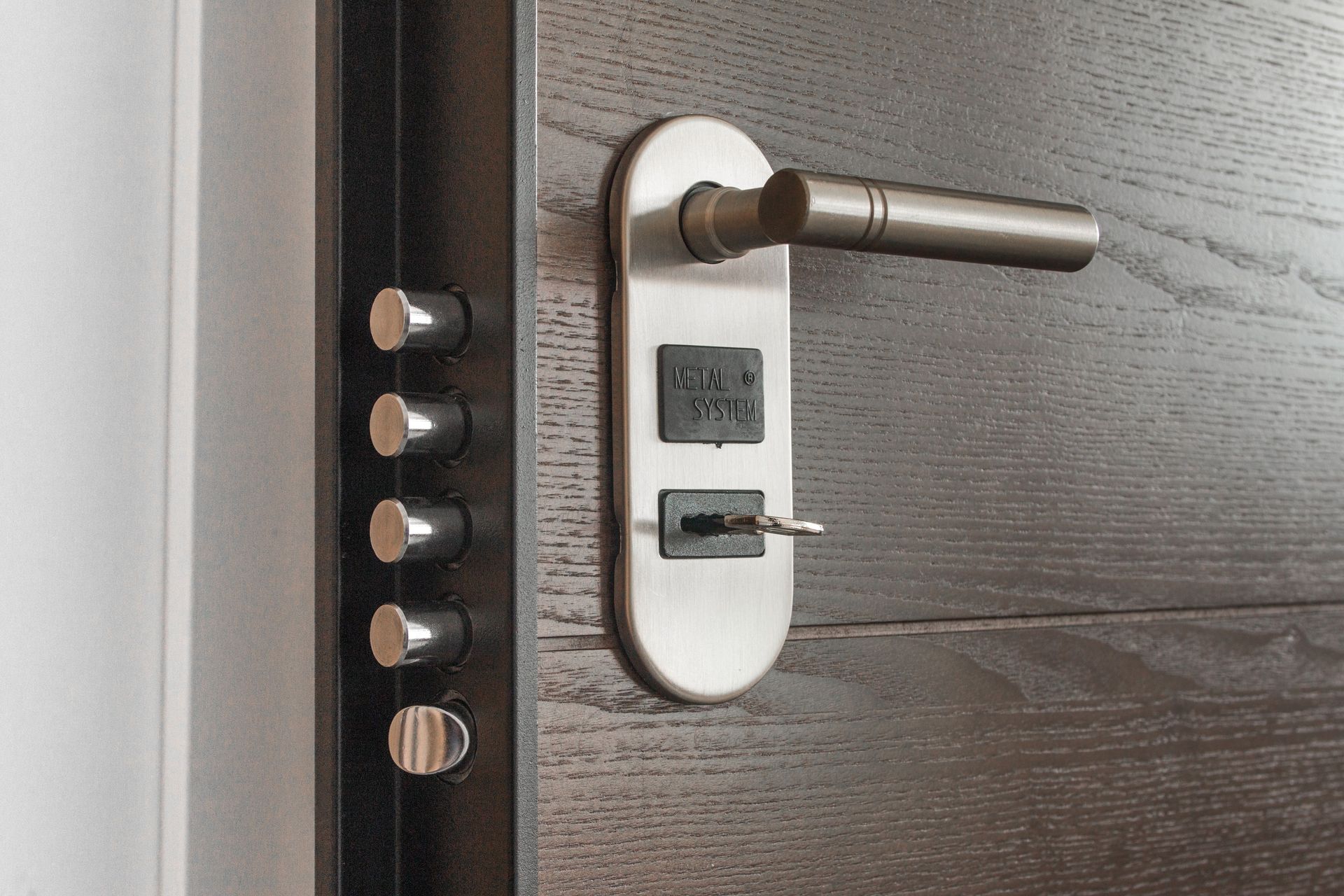
The dual-pane insulated glass door locks, which keeps bottles from being removed, and the touch panel has its own lock so no one can pour from it. That lets the unit stay in a shared room unattended.
Pick the spot for a wine dispenser on your design drawing â a unit placed with its door swing and cabinet opening worked out early is ready the day the first bottle is opened. Cachet Wine Cellars serves Orange County and Southern California. Call (949) 569-7857.
Call (949) 569-7857